A home is never really finished, is it? You move in, settle down, and then slowly the ideas start appearing. Maybe the kitchen could use a better stove. Maybe the patio would be more useful with an outdoor grill. Maybe the old water heater is getting tired, or the laundry room needs a cleaner setup. Little by little, the house asks for upgrades.
Some improvements are mostly about appearance. Paint, lighting, shelving, flooring — those are fun and visible. But gas and water line work sits in a different category. It is practical, hidden, and absolutely worth doing properly. When these systems are planned well, daily life feels easier. When they are done badly, the problems can be stressful, expensive, and sometimes unsafe.
Modern Living Needs Reliable Connections
Today’s homes use gas and water in more ways than people sometimes realise. Cooking, heating, bathing, laundry, dishwashing, outdoor entertaining, and appliance upgrades all depend on steady supply lines. Even a small change, like moving a stove or adding a utility sink, can involve more planning than expected.
That doesn’t mean homeowners need to understand every pipe and fitting. But it does mean the work should be handled by someone who knows how the system fits together. A quick shortcut behind a wall may not look like a problem today, but it can show up later as weak performance, leaks, or failed inspections.
Outdoor Spaces Are Becoming More Useful
Backyards and patios are no longer just a patch of grass and a few chairs. Many homeowners are turning them into proper living spaces with grills, fire pits, outdoor kitchens, sinks, and heating features. These upgrades can make a home feel bigger without building an addition.
But installing outdoor appliances is not just about picking the right model and placing it where it looks good. Gas supply, water access, drainage, weather exposure, safety clearances, and local requirements all matter. A beautiful outdoor setup still needs safe, reliable connections behind the scenes.
Water Heating Is Easy to Ignore Until It Fails
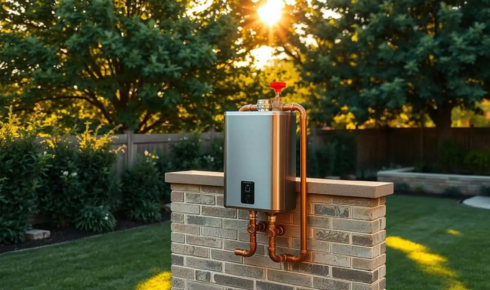
Few household systems are taken for granted as much as water heaters. They work quietly in a garage, closet, basement, or utility room until one day the shower turns cold halfway through. Or the tank starts leaking. Or strange noises begin coming from inside.
Replacing or upgrading a water heater should involve more than swapping one unit for another. The installer needs to consider household demand, fuel type, venting, space, pressure, and safety requirements. A properly selected and installed unit can improve comfort and reduce the chance of surprise breakdowns.
When a New Line Makes Sense
There are times when existing connections simply do not fit the job anymore. Maybe a remodel changes the kitchen layout. Maybe a homeowner wants a gas range instead of an electric stove. Maybe a patio kitchen needs a dedicated supply.
In these situations, new line installation can provide the right support for the upgrade. It should be planned carefully, not improvised. The route, sizing, shut-off access, materials, and testing all affect how well the system performs. A line that is too small, poorly placed, or badly installed may cause trouble long after the project is finished.
Safety Comes Before Convenience
Gas and water line work both carry risks when handled carelessly. A small water leak can damage flooring, walls, cabinets, and framing. A gas leak can be far more serious. That’s why proper shut-offs, approved materials, pressure testing, and code-compliant installation matter.
This is one area where do-it-yourself confidence can become risky. Watching a few videos may make a job look simple, but homes have quirks. Older pipes, tight spaces, mixed materials, pressure differences, and local code requirements can complicate the work quickly.
Good Planning Prevents Messy Surprises
Before any major line work begins, a proper inspection helps. The professional should look at the current system, ask about the appliance or fixture being added, and explain what changes are needed. If walls, floors, or outdoor surfaces must be opened, that should be discussed clearly ahead of time.
A written estimate is also useful. It helps homeowners understand the scope, expected cost, materials, and possible limitations. No one enjoys surprise charges halfway through a project. Clear planning makes the whole experience feel less chaotic.
The Right Materials Matter
Not every pipe or connector is suitable for every job. Gas lines, hot water lines, cold water lines, outdoor runs, and appliance connections each have their own requirements. Materials must match the system and local standards.
This is especially important for outdoor work, where moisture, temperature changes, soil conditions, and exposure can affect performance. A good installation is not only about making the connection work today. It is about helping it keep working safely years from now.
Testing Should Never Be Treated as Optional
Once a line is installed or repaired, it should be tested. That step may feel invisible to the homeowner, but it is one of the most important parts of the job. Testing confirms that connections are secure and that the system can handle normal operating conditions.
Skipping testing is a gamble. A small leak may not show immediately, especially if the area is hidden behind a wall or underground. Proper testing catches problems before the system is put into full use.
Upgrades Should Fit the Way You Live
The best home improvements are the ones that make daily routines easier. A reliable outdoor grill line means no more running out of propane during dinner. A properly sized water heater means fewer cold showers. A well-planned appliance connection means the kitchen works the way it should.
These upgrades may not always be flashy, but they add real comfort. And when they are done safely, they can also support home value and reduce future maintenance headaches.
Final Thoughts
Gas and water line upgrades deserve careful attention. They sit behind the scenes, but they affect some of the most important parts of home life — cooking, bathing, heating, cleaning, and relaxing outdoors.
Whether you are adding an appliance, replacing a water heater, or planning a larger renovation, the right approach is simple: inspect first, plan clearly, use proper materials, and test the work before calling it complete. A home works better when the hidden systems are built with care.