
There’s something comforting about turning on the shower and getting warm water exactly when you need it. We often don’t think about our water heating system until the morning it stops working, leaving everyone in the house frustrated. A reliable system quietly supports daily routines, from washing dishes and doing laundry to enjoying a relaxing shower after a long day.
Choosing the right option, however, isn’t always as simple as picking the first model you see. Homes have different needs, energy demands, and budgets. Understanding how different systems work can help you make a smarter decision and avoid unnecessary expenses later.
Understanding Your Home’s Hot Water Needs
Before replacing or installing a new system, it helps to think about your household’s daily habits. A small family that uses water mainly in the morning may need something completely different from a larger household where multiple people shower, run appliances, and use hot water throughout the day.
Modern hot water heaters are designed to provide better efficiency, improved performance, and more convenience compared to older models. But the “best” choice depends on factors like your home size, available space, energy source, and how much hot water you typically consume.
Many homeowners make the mistake of focusing only on the purchase price. A cheaper system may cost more over time if it uses excessive energy or requires frequent repairs. Looking at long-term performance is usually the better approach.
How Traditional Systems Still Serve Many Homes
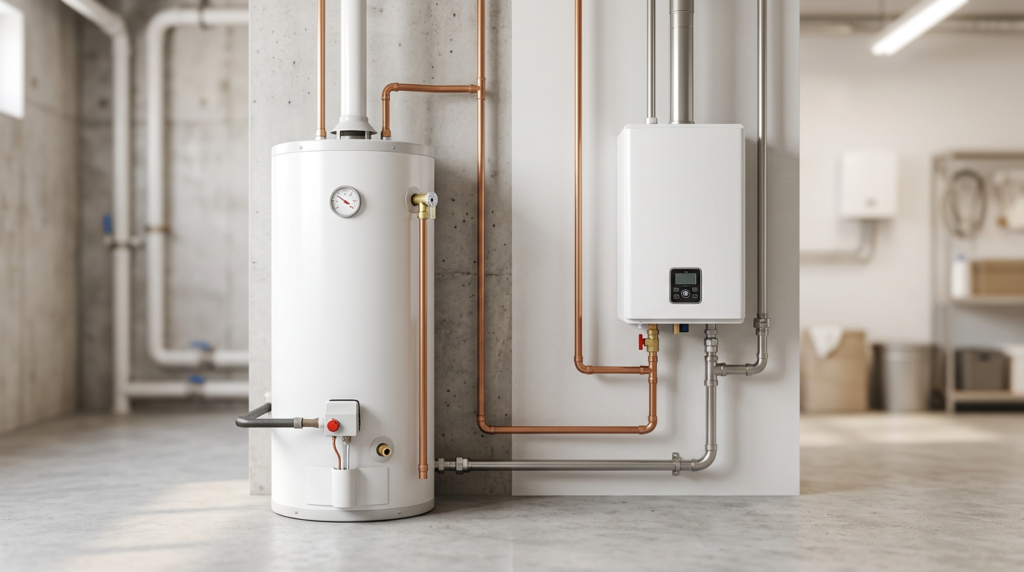
For decades, storage tank systems have been the standard choice in many households. These units heat and store a set amount of water inside a large tank, making hot water available whenever it’s needed.
Conventional water heaters remain popular because they are familiar, widely available, and generally affordable to install. They work well for families that prefer having a ready supply of hot water without complicated technology.
Of course, traditional systems have some limitations. The stored water can eventually run out during periods of heavy use, such as when several family members take long showers one after another. They also continuously maintain water temperature, which can lead to energy loss even when nobody is using hot water.
Still, many homeowners appreciate their simplicity. A properly maintained tank water heater can provide years of dependable service, especially when regularly flushed and inspected.
The Rise of Energy-Efficient Water Heating Options
Energy costs have encouraged many homeowners to explore newer technologies. Efficiency is no longer just a bonus; it’s often a major factor when choosing home equipment.
Tankless systems have gained attention because they heat water only when needed. Instead of storing gallons of hot water all day, they use heating elements or burners to warm water as it flows through the unit.
Tankless water heaters can be a great fit for homeowners who want endless hot water, more installation flexibility, and potentially lower energy consumption. They are especially useful in homes with limited space because their compact design allows them to be installed on walls rather than taking up a large floor area.
However, tankless units are not perfect for every situation. They often have higher upfront costs, and some homes may require electrical or gas upgrades before installation. Proper sizing is also important because an undersized unit may struggle to supply enough hot water during peak demand.
Maintenance Matters More Than Most People Realize
Regardless of which system you choose, maintenance plays a huge role in performance. Even the most advanced water heating equipment can lose efficiency if neglected.
Simple steps like checking connections, removing sediment buildup, and inspecting important components can prevent expensive breakdowns. For tank systems, regular flushing helps remove minerals that collect at the bottom of the tank. For tankless models, professional cleaning may be needed to prevent mineral deposits from affecting performance.
Many homeowners delay maintenance because everything seems fine. The problem is that small issues often become major repairs when ignored. A little attention once or twice a year can make a noticeable difference.
Choosing Between Cost, Comfort, and Efficiency
When comparing water heating options, there is no universal answer that works for every home. Some people prioritize a lower installation cost, while others care more about reducing monthly energy bills. Others simply want reliable access to hot water without worrying about running out.
Think about your lifestyle. Do you have a large family? Do you often use multiple bathrooms at the same time? Is saving space important? Are you planning to stay in your home for many years? These questions can guide you toward the right solution.
It’s also worth consulting a qualified professional before making a final decision. An experienced installer can evaluate your home’s plumbing setup, energy source, and water usage patterns to recommend a system that actually fits your needs.
Making a Smart Long-Term Investment
A water heating system is not just another household appliance. It’s an investment in comfort, convenience, and daily reliability. Taking time to understand your options can help you avoid rushed decisions and unexpected problems.
Whether you choose a traditional storage model or a modern high-efficiency system, the goal is the same: consistent hot water with reasonable operating costs. The right choice will depend on your home, your habits, and your future plans.
In the end, a good water heating system is one you barely notice — because it simply works when you need it. That quiet reliability is what makes a thoughtful choice worth the effort.