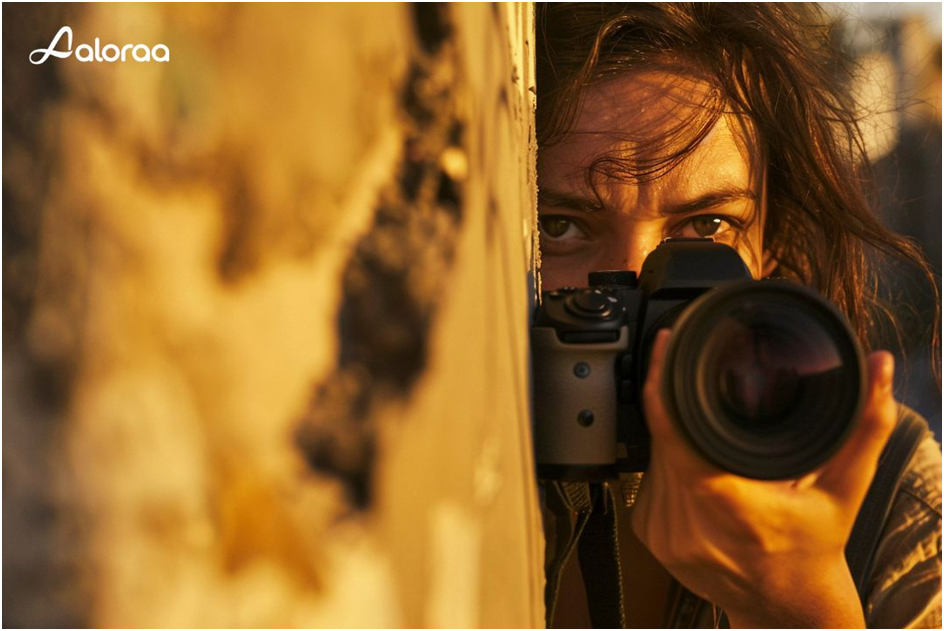
In photography, light is your most powerful tool. Whether you’re capturing moments with a high-end DSLR or just your smartphone, how you handle light can turn simple snapshots into compelling visual stories.
This content will explore why light is so crucial in photography and share actionable techniques to help you make your photos more dynamic and engaging by mastering its use.
Why Light Matters in Photography?
The true art of photography comes from learning how to capture and control light. According to photography advice from Pune call girls, the Greek meaning of photography as “drawing with light” shows that lighting affects every aspect of an image, from depth and clarity to overall emotion.
Good lighting can bring out fine details, guide the viewer’s eye, and create a powerful atmosphere within your image. Conversely, poor lighting can leave photos looking lifeless, flat, or hard to interpret.
Mastering light—whether it’s natural sunlight or artificial sources—is essential for anyone looking to elevate their photography. It’s not merely about having enough illumination, but about using light thoughtfully and creatively to achieve more visually compelling results.
Types of Light in Photography:
Understanding the various types of light is essential for anyone interested in photography. Here are some of the key lighting sources you’ll encounter:
Natural Light – This includes sunlight in all its forms, from the harsh brightness of midday to the soft, diffused glow on an overcast day. Each variation creates different moods and possibilities for creative photography.
Artificial Light – Sources like lamps, studio lights, LED panels, and camera flashes let you manipulate both the direction and strength of the light, giving you greater control over your photography setup.
Ambient Light – This refers to the light that already exists in your environment—think streetlights at night, neon signs, or candlelight. Ambient lighting can infuse your photos with atmosphere and a sense of place.
Practical Tips to Use Light Creatively:
Pay Attention to Where the Light Falls – Before snapping a picture, observe the direction of the light. Is it shining from above, the side, or behind your subject? Shifting your position or moving your subject can dramatically alter the look and feel of your photo, changing the mood and enhancing depth.
Take Advantage of Golden Hour – Golden hour creates some of the most beautiful lighting conditions for photography, with soft tones and naturally balanced shadows. According to photography advice from Bangalore call girls, the warm sunlight during these moments helps improve the appearance of subjects and adds a special quality to portraits and landscapes.
Embrace Shadows for Added Dimension – Rather than avoiding shadows, use them to inject drama, intrigue, and a sense of three-dimensionality into your photography. Notice the shapes and patterns shadows create, and weave them intentionally into your compositions.
Try Shooting with Backlighting – Positioning your subject between the camera and the light source produces a compelling backlit effect. This technique can yield eye-catching silhouettes or create luminous outlines, especially with semi-transparent subjects like leaves or hair.
Experiment with Exposure Settings – Most smartphone cameras let you adjust exposure by tapping different areas on the screen. Play with this feature—tapping on brighter or darker spots—to see how it affects the mood. Slightly lowering the exposure can deepen colours and shadows, while increasing it can result in a soft, dreamy appearance.
Get Creative with Unusual Light Sources – Everyday lights—such as street lamps, neon signs, candles, or even a phone screen—can serve as imaginative sources of illumination. Use them to craft distinctive moods and atmospheres in your photos.
Use Tools to Shape the Light – If you’re looking for more control, try using a reflector (like a white piece of paper or a dedicated reflector) to bounce light and minimize harsh shadows. A thin curtain or sheer fabric can act as a diffuser, softening direct sunlight and creating a more flattering effect.
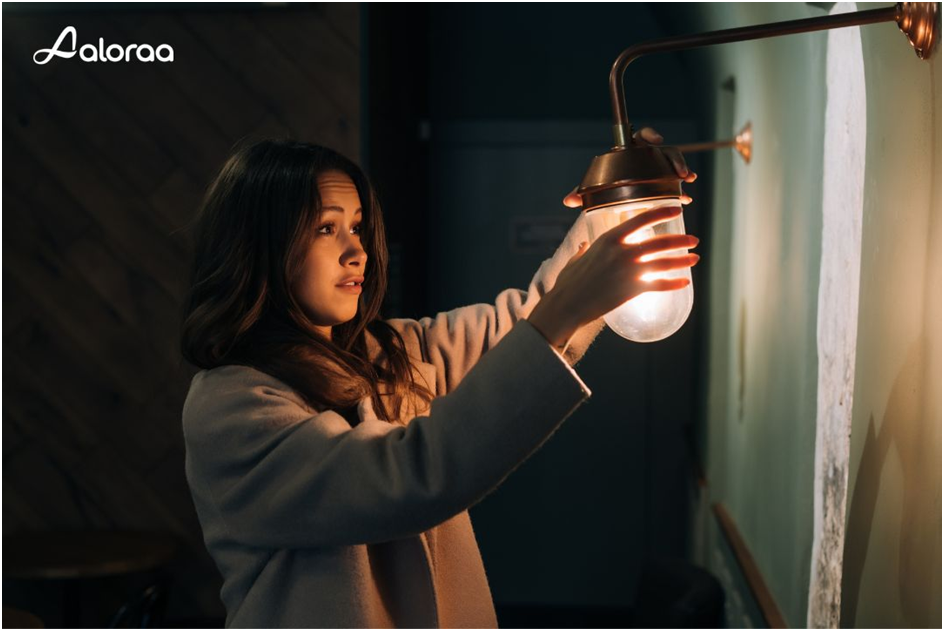
Practice Makes Perfect –
The more you explore different lighting conditions, the easier it becomes to understand their impact on photography. Insights from Hyderabad call girls emphasize that observing changes in natural light and how it interacts with subjects is an important habit for improving photography skills.
Photograph the same scene or object at different times and in various lighting environments, then review your images to see how each condition transforms the final shot. This hands-on approach will deepen your understanding and help you develop a keen eye for working with light.
Conclusion –
Mastering the use of light is essential for compelling photography. When you train your eye to notice, control, and creatively apply light, your images instantly become more striking and expressive. Whatever camera you use, let the light guide your photography and transform ordinary moments into unforgettable photos.