Water is one of those everyday things we rarely think about until something feels off. Maybe the tap water smells slightly metallic one morning, or the kettle develops a strange white film after just a few uses. Most of the time, we shrug it off. After all, water looks clear — and clear must mean clean, right?
Well… not always.
Beneath that perfectly transparent glass of water can live a complicated story of minerals, contaminants, bacteria, and chemistry. That’s where proper water sample collection becomes incredibly important. It’s the first, and arguably the most crucial, step in understanding what’s actually flowing through our pipes.
Why Water Quality Still Matters Today
In many parts of the world, we assume our water systems are reliable. Municipal treatment plants do a good job, and regulations are designed to protect public health. Yet problems still happen. Aging infrastructure, environmental changes, agricultural runoff, and industrial activity can all influence the quality of water we drink.
Even in regions with modern utilities, issues can appear quietly. Lead from old plumbing, elevated nitrates from nearby farms, or microbial contamination after heavy rainfall — these things don’t announce themselves loudly.
That’s the tricky part. Poor water quality often hides in plain sight.
You might notice unusual taste, staining in sinks, or maybe dry skin after showering. Sometimes those clues are subtle, almost easy to dismiss. But they’re worth paying attention to.
Understanding your water isn’t paranoia; it’s simply being informed.
The First Step: Collecting a Reliable Sample
Testing water sounds straightforward, but collecting a sample properly is more delicate than most people realize. A small mistake during the sampling process can distort results completely.
Think of it like taking a photograph — if the lens is smudged, the picture won’t represent reality.
Proper water sample collection involves clean containers, specific timing, and careful handling. For instance, samples meant to detect bacteria must remain sterile, while those testing for metals often require containers treated with preservatives.
Temperature, storage time, and transport conditions matter too. Leave a sample sitting in the sun for a few hours and suddenly the data can shift. Bacteria multiply, chemical reactions occur, and the water you test no longer reflects what came out of the tap.
Professionals usually follow standardized sampling procedures for this reason. It keeps the science honest.
What Happens Inside a Water Testing Laboratory
Once the sample reaches a lab, things become far more technical — and fascinating.
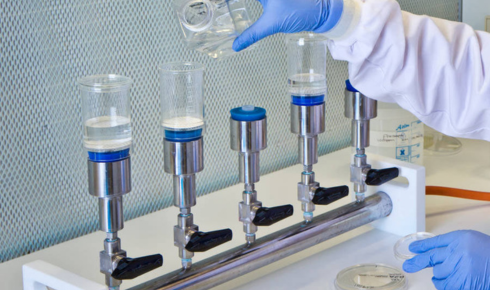
A process called laboratory water analysis begins. This step involves specialized instruments and trained technicians examining the sample for dozens of potential elements and compounds.
Some tests look for heavy metals such as lead, arsenic, or mercury. Others measure chemical indicators like pH, hardness, dissolved oxygen, or nitrates. Microbiological testing might search for bacteria such as E. coli or coliforms.
It’s almost like a medical check-up, but for water.
Spectrometers, chromatographs, and microbial cultures help scientists determine exactly what’s present. Each reading paints part of the larger picture. When combined, the results reveal the overall health of a water source.
Sometimes the findings are reassuring. Everything falls within safe limits. Other times, the results point toward a problem that needs attention — perhaps filtration, treatment adjustments, or plumbing updates.
Either way, knowledge beats guesswork.
What Water Testing Actually Reveals
Here’s the interesting thing: water quality is not simply “good” or “bad.” It exists on a spectrum.
Certain minerals like calcium and magnesium contribute to hardness but aren’t harmful to health. In fact, many people prefer the taste of mineral-rich water. On the other hand, excessive levels of contaminants — nitrates, pesticides, bacteria — can pose genuine risks.
That’s why water quality testing is so valuable. It doesn’t rely on assumptions. Instead, it provides measurable data about what’s in your water.
A homeowner with well water, for example, might test annually to monitor bacteria levels and mineral content. Businesses using water in food production often test much more frequently. Municipal authorities conduct continuous monitoring to meet regulatory standards.
The goals differ, but the principle stays the same: know your water.
The Role of Testing in Everyday Life
For many people, water testing sounds like something only scientists or engineers worry about. In reality, it touches everyday life more than we might think.
Families using private wells often rely on testing to ensure safe drinking water. Homeowners installing new filtration systems test before and after treatment to confirm effectiveness. Even coffee shops and breweries perform water tests to maintain consistent flavor.
Water influences taste, health, and even household maintenance.
Hard water, for example, can shorten the life of appliances. High iron content might stain laundry. Slight chemical imbalances can alter the taste of tea or coffee. These aren’t catastrophic issues, but they shape daily experiences in subtle ways.
And sometimes, small changes in water chemistry signal larger environmental shifts nearby.
Why Awareness Matters More Than Ever
If there’s one takeaway from all of this, it’s that water deserves our attention. Not fear — just awareness.
Most of the time, the water we use is safe. But systems age, environments change, and new contaminants occasionally appear. Regular testing provides clarity. It removes uncertainty and replaces it with real data.
Think of it as routine maintenance for something essential.
We test smoke detectors, check our vehicles, and schedule health checkups. Water — the substance we drink, cook with, and bathe in every single day — deserves at least the same level of care.
Because when you truly understand what’s in your water, you gain something surprisingly valuable.