Author: admin@thebrightideas.net

  • Choosing the Right Water Heating System: What Every Homeowner Should Know Before Upgrading

    Choosing the Right Water Heating System: What Every Homeowner Should Know Before Upgrading

    There’s something comforting about turning on the shower and getting warm water exactly when you need it. We often don’t think about our water heating system until the morning it stops working, leaving everyone in the house frustrated. A reliable system quietly supports daily routines, from washing dishes and doing laundry to enjoying a relaxing shower after a long day.

    Choosing the right option, however, isn’t always as simple as picking the first model you see. Homes have different needs, energy demands, and budgets. Understanding how different systems work can help you make a smarter decision and avoid unnecessary expenses later.

    Understanding Your Home’s Hot Water Needs

    Before replacing or installing a new system, it helps to think about your household’s daily habits. A small family that uses water mainly in the morning may need something completely different from a larger household where multiple people shower, run appliances, and use hot water throughout the day.

    Modern hot water heaters are designed to provide better efficiency, improved performance, and more convenience compared to older models. But the “best” choice depends on factors like your home size, available space, energy source, and how much hot water you typically consume.

    Many homeowners make the mistake of focusing only on the purchase price. A cheaper system may cost more over time if it uses excessive energy or requires frequent repairs. Looking at long-term performance is usually the better approach.

    How Traditional Systems Still Serve Many Homes

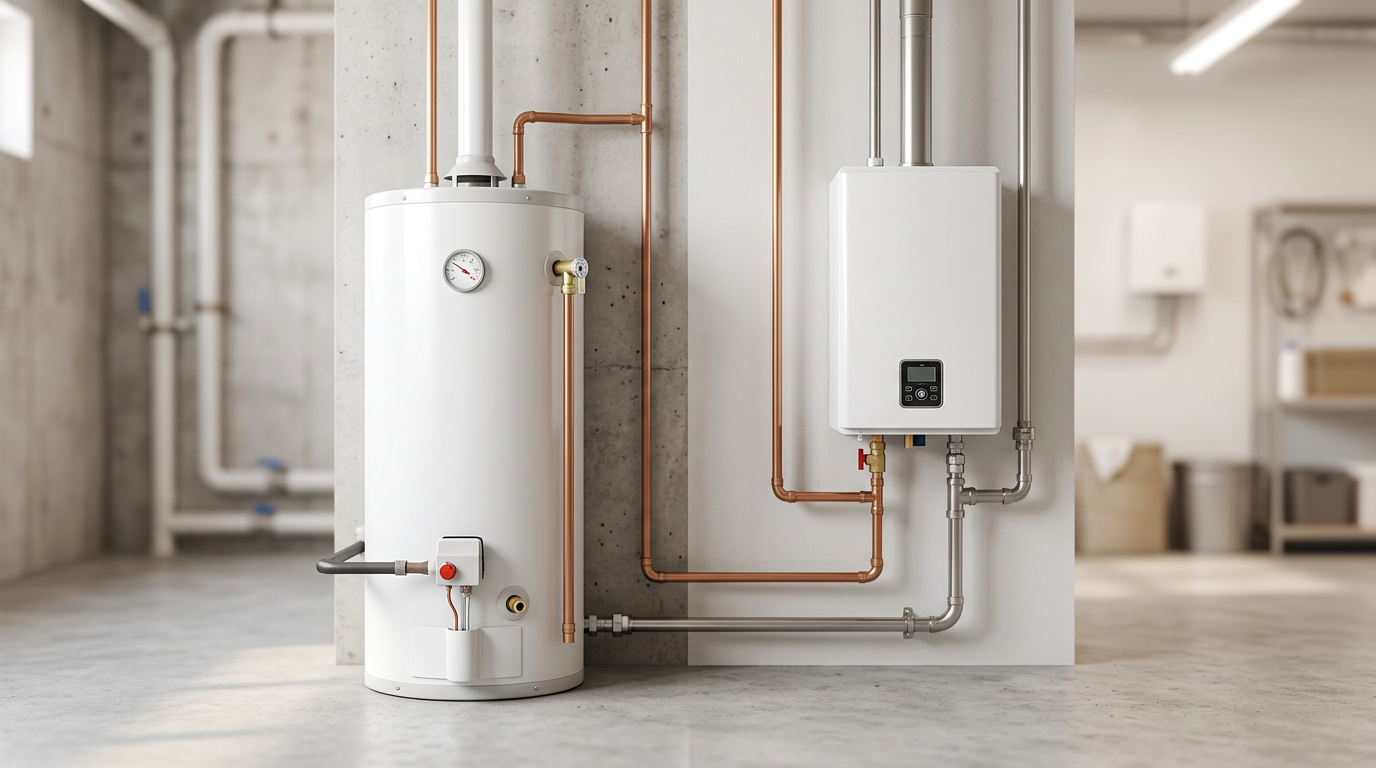
    For decades, storage tank systems have been the standard choice in many households. These units heat and store a set amount of water inside a large tank, making hot water available whenever it’s needed.

    Conventional water heaters remain popular because they are familiar, widely available, and generally affordable to install. They work well for families that prefer having a ready supply of hot water without complicated technology.

    Of course, traditional systems have some limitations. The stored water can eventually run out during periods of heavy use, such as when several family members take long showers one after another. They also continuously maintain water temperature, which can lead to energy loss even when nobody is using hot water.

    Still, many homeowners appreciate their simplicity. A properly maintained tank water heater can provide years of dependable service, especially when regularly flushed and inspected.

    The Rise of Energy-Efficient Water Heating Options

    Energy costs have encouraged many homeowners to explore newer technologies. Efficiency is no longer just a bonus; it’s often a major factor when choosing home equipment.

    Tankless systems have gained attention because they heat water only when needed. Instead of storing gallons of hot water all day, they use heating elements or burners to warm water as it flows through the unit.

    Tankless water heaters can be a great fit for homeowners who want endless hot water, more installation flexibility, and potentially lower energy consumption. They are especially useful in homes with limited space because their compact design allows them to be installed on walls rather than taking up a large floor area.

    However, tankless units are not perfect for every situation. They often have higher upfront costs, and some homes may require electrical or gas upgrades before installation. Proper sizing is also important because an undersized unit may struggle to supply enough hot water during peak demand.

    Maintenance Matters More Than Most People Realize

    Regardless of which system you choose, maintenance plays a huge role in performance. Even the most advanced water heating equipment can lose efficiency if neglected.

    Simple steps like checking connections, removing sediment buildup, and inspecting important components can prevent expensive breakdowns. For tank systems, regular flushing helps remove minerals that collect at the bottom of the tank. For tankless models, professional cleaning may be needed to prevent mineral deposits from affecting performance.

    Many homeowners delay maintenance because everything seems fine. The problem is that small issues often become major repairs when ignored. A little attention once or twice a year can make a noticeable difference.

    Choosing Between Cost, Comfort, and Efficiency

    When comparing water heating options, there is no universal answer that works for every home. Some people prioritize a lower installation cost, while others care more about reducing monthly energy bills. Others simply want reliable access to hot water without worrying about running out.

    Think about your lifestyle. Do you have a large family? Do you often use multiple bathrooms at the same time? Is saving space important? Are you planning to stay in your home for many years? These questions can guide you toward the right solution.

    It’s also worth consulting a qualified professional before making a final decision. An experienced installer can evaluate your home’s plumbing setup, energy source, and water usage patterns to recommend a system that actually fits your needs.

    Making a Smart Long-Term Investment

    A water heating system is not just another household appliance. It’s an investment in comfort, convenience, and daily reliability. Taking time to understand your options can help you avoid rushed decisions and unexpected problems.

    Whether you choose a traditional storage model or a modern high-efficiency system, the goal is the same: consistent hot water with reasonable operating costs. The right choice will depend on your home, your habits, and your future plans.

    In the end, a good water heating system is one you barely notice — because it simply works when you need it. That quiet reliability is what makes a thoughtful choice worth the effort.

  • How Mature Drivers Can Stay Confident, Safe, and Comfortable on Today’s Roads

    How Mature Drivers Can Stay Confident, Safe, and Comfortable on Today’s Roads

    Driving is something many people do every day without giving it much thought. It becomes part of a routine — a quick trip to the grocery store, a visit to family, or a drive across town for work. But as roads become busier and traffic patterns continue to change, staying confident behind the wheel requires ongoing attention and awareness.

    For mature drivers, driving is not only about experience. It’s about adapting, staying alert, and making thoughtful decisions every time the vehicle starts moving. Age alone does not determine driving ability. What truly matters is health, awareness, confidence, and a willingness to continue improving.

    A safe driver understands that learning does not stop after getting a license. Roads, vehicles, and driving conditions keep evolving, and staying updated helps drivers remain independent while protecting themselves and others.

    The Value of Experience and Awareness on the Road

    Many mature drivers bring years of experience behind the wheel. They have handled different weather conditions, busy intersections, long journeys, and unexpected situations. This experience can be a major advantage because it often leads to better judgment and calmer decision-making.

    However, even experienced drivers can develop habits over time that may need adjustment. For example, relying too much on familiar routes or assuming other drivers will behave predictably can create unnecessary risks.

    Maintaining awareness is the key. A driver who regularly evaluates their own habits is more likely to notice areas where improvement is needed. Simple actions like checking mirrors frequently, keeping a safe distance, and avoiding distractions can make everyday driving much safer.

    Understanding Safe Driving Habits

    Driving safety is built from small choices made consistently. It is not just about avoiding accidents; it is about creating a mindset where safety becomes a natural part of every journey.

    Following safe and responsible driving practices means staying focused, respecting traffic laws, managing speed properly, and understanding personal limits. These habits are valuable for drivers of every age, especially those who want to continue driving confidently for many years.

    Some important practices include avoiding phone use while driving, planning routes before leaving, and taking breaks during longer trips. Even a short pause during a tiring journey can improve concentration and reaction time.

    Staying Physically and Mentally Prepared

    Driving requires coordination, quick thinking, and attention. As people get older, certain physical changes may affect driving comfort. Vision, hearing, flexibility, and reaction speed can naturally change over time.

    This does not mean someone has to stop driving immediately. Instead, it means being proactive. Regular health checkups, proper eyewear if needed, and adjusting driving habits can help maintain independence.

    For example, some drivers feel more comfortable avoiding nighttime driving or choosing routes with less traffic. These small adjustments allow people to continue enjoying the freedom that driving provides.

    How Driver Improvement Programs Help

    Many people think driving courses are only for beginners, but that idea is outdated. Learning opportunities are useful at every stage of life.

    A mature drivers program is designed to help older drivers refresh their knowledge, review updated traffic rules, and improve confidence. These programs often focus on defensive driving techniques, modern road challenges, and strategies for handling changing driving conditions.

    The benefit goes beyond safety. Many participants feel more relaxed after completing a refresher course because they gain a better understanding of current driving expectations.

    Driving skills can improve with practice, and a little extra education can make a noticeable difference.

    The Financial Benefits of Safe Driving

    Being a careful driver can also have financial advantages. Insurance companies often recognize drivers who take steps to improve their skills and reduce risks.

    Completing approved driver education courses may help some individuals qualify for insurance discounts depending on their location, insurance provider, and eligibility requirements. While saving money should not be the main reason to focus on safety, it is certainly a welcome benefit.

    More importantly, responsible driving can reduce the chances of costly accidents, vehicle repairs, and unexpected expenses. Safe decisions behind the wheel often protect both personal finances and personal well-being.

    Adapting to Modern Driving Technology

    Vehicles today include many features that were uncommon years ago. Backup cameras, blind-spot monitoring, lane assistance, and automatic emergency braking are becoming common in newer cars.

    Learning how these features work can help drivers use technology as an additional safety tool. However, technology should never replace attention. Drivers still need to remain engaged and aware of their surroundings.

    Taking time to understand a vehicle’s controls and safety features can make driving more comfortable and less stressful.

    Maintaining Independence Through Smart Choices

    For many people, driving represents freedom. It allows them to visit loved ones, attend appointments, enjoy hobbies, and maintain an active lifestyle.

    The goal is not simply to keep driving forever but to drive safely for as long as it remains comfortable and appropriate. Being honest about personal abilities is an important part of responsible driving.

    Sometimes, making small changes — like avoiding rush-hour traffic or choosing familiar routes — can help maintain confidence without giving up independence.

    Final Thoughts

    Safe driving is a lifelong journey. It requires attention, patience, and the willingness to adapt as circumstances change. Mature drivers have the advantage of experience, but continued learning helps them stay prepared for modern roads.

    By practicing good habits, refreshing driving knowledge, and making thoughtful adjustments when needed, drivers can enjoy the freedom of the road while keeping safety a priority.

    The best drivers are not those who never make mistakes. They are the ones who continue learning, stay aware, and make responsible choices every time they get behind the wheel.

  • Simple Ways to Keep Your Air Conditioner Running Efficiently All Summer Long

    Simple Ways to Keep Your Air Conditioner Running Efficiently All Summer Long

    There’s a certain comfort that comes from hearing your air conditioner quietly humming away while the temperature outside keeps climbing. Most of us don’t think much about the system until something goes wrong. Then suddenly, every room feels warmer, energy bills creep higher, and the house just isn’t as comfortable as it used to be.

    The interesting thing is that many AC problems don’t appear overnight. They usually develop little by little, often because of small maintenance tasks that were postponed or forgotten. A little attention throughout the year can prevent expensive repairs and help your system deliver consistent cooling when you need it most.

    If you’ve ever wondered why one air conditioner seems to last twenty years while another struggles after only a decade, regular care is usually part of the answer.

    Your Air Conditioner Works Harder Than You Think

    During the hottest months, an air conditioning system may run for several hours every day. It continuously removes heat from inside your home, transfers it outdoors, manages humidity, and circulates conditioned air through every room.

    That’s a demanding job.

    Like any machine with moving parts, constant operation creates normal wear. Motors age, filters become clogged, electrical connections loosen, and dirt slowly builds up where it shouldn’t. None of these issues seem dramatic at first, but together they reduce efficiency and increase operating costs.

    Routine maintenance helps keep everything working together the way the manufacturer intended.

    Keep Airflow Moving Freely

    One of the easiest ways to improve cooling performance doesn’t require special tools or technical knowledge.

    Check your air filter regularly.

    A clogged filter forces the blower to work harder while reducing airflow throughout the house. Restricted airflow often leads to uneven temperatures, longer cooling cycles, and unnecessary strain on internal components.

    Depending on your home, pets, and indoor air quality, replacing the filter every one to three months is usually a good habit. It’s inexpensive, takes only a few minutes, and can noticeably improve system performance.

    Also, make sure furniture, curtains, and storage boxes aren’t blocking supply or return vents. Even small obstructions can affect airflow more than people realize.

    Don’t Forget About the Outdoor Equipment

    Many homeowners carefully maintain the indoor portion of the system while completely overlooking the equipment sitting outside.

    The outdoor condenser unit needs unrestricted airflow to release heat efficiently. Over time, grass clippings, leaves, weeds, dust, and even overgrown shrubs can reduce its performance.

    Keeping at least two feet of open space around the condenser allows air to circulate properly. Occasionally removing debris and gently rinsing dirt from the exterior coils also helps maintain efficiency. Just be sure to switch off power before performing any cleaning.

    It isn’t glamorous work, but it often makes a noticeable difference during peak summer temperatures.

    Strange Noises Should Never Be Ignored

    Air conditioners naturally make a gentle operating sound, but new noises deserve attention.

    Grinding, buzzing, rattling, squealing, or repeated clicking often indicate developing mechanical issues. These sounds rarely disappear on their own.

    Ignoring unusual noises can allow relatively inexpensive repairs to become much larger ones. What begins as a loose component may eventually damage neighboring parts if left unchecked.

    When your system suddenly starts sounding different, it’s usually trying to tell you something.

    Watch for Warning Signs Around the House

    Sometimes your air conditioner provides subtle clues before performance noticeably declines.

    Maybe the house feels more humid than usual. Certain rooms never quite cool down. The system runs longer than it used to, or your monthly electric bill climbs without any obvious explanation.

    These small changes often indicate that the equipment isn’t operating at peak efficiency. Addressing concerns early usually saves both time and money later.

    Being observant is one of the simplest forms of preventive maintenance.

    Electrical Components Need Regular Attention

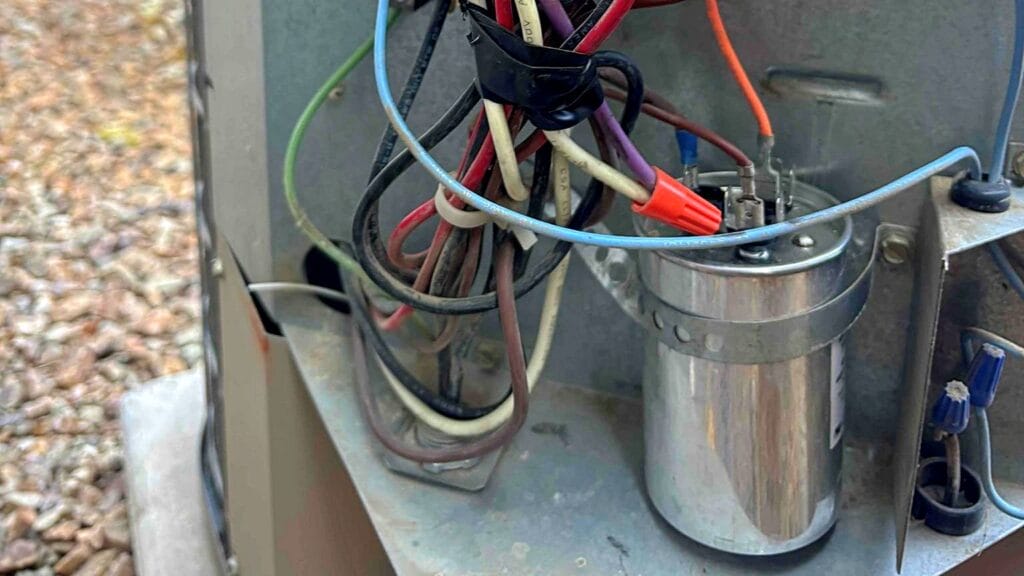
    Modern HVAC systems rely on numerous electrical connections, capacitors, contactors, sensors, and control boards to operate safely.

    Over time, vibration, heat, and normal aging can contribute to electrical problems that reduce reliability or cause unexpected shutdowns. Loose wiring, worn relays, or failing capacitors often develop gradually rather than suddenly.

    Because electrical components can present safety risks, these repairs should always be handled by qualified technicians. Attempting DIY electrical work inside an HVAC system can create additional damage and unnecessary hazards.

    Humidity Control Is Part of Comfort

    People often focus only on temperature, but humidity plays a major role in how comfortable a home actually feels.

    A properly functioning air conditioner removes moisture while cooling the air. When humidity remains high indoors, rooms may still feel sticky even if the thermostat displays the desired temperature.

    If your home consistently feels damp during summer, it may be worth having the system evaluated. Sometimes the issue involves airflow, refrigerant, drainage, or equipment sizing rather than the thermostat itself.

    Comfort isn’t measured only by degrees.

    Preventive Maintenance Saves More Than Money

    Many homeowners schedule service only after the air conditioner stops working.

    Unfortunately, that’s often the most expensive time to call.

    A professional hvac inspection gives technicians the opportunity to identify worn components before they fail, clean critical parts, inspect refrigerant pressures, tighten electrical connections, verify thermostat accuracy, and ensure the system is operating safely and efficiently.

    Preventive service also reduces the likelihood of emergency breakdowns during periods of extreme heat, when repair appointments may be harder to schedule.

    It’s much easier to fix a small issue in spring than a major one during the hottest week of July.

    Small Habits Make a Big Difference

    Simple routines can significantly extend the life of your cooling system.

    Replace filters consistently, keep vents open, maintain the area around the outdoor equipment, monitor unusual sounds, and avoid constantly adjusting the thermostat throughout the day. Giving your air conditioner steady operating conditions helps reduce unnecessary wear.

    These aren’t complicated tasks, but together they create a healthier environment for the equipment to perform efficiently year after year.

    A Reliable Air Conditioner Starts With Consistent Care

    Every homeowner hopes their air conditioner will provide dependable cooling throughout the summer without unexpected repairs. While no mechanical system lasts forever, regular maintenance dramatically improves reliability, efficiency, and overall lifespan.

    The best approach isn’t waiting until something breaks. It’s paying attention to the small details before they become major headaches.

    With a little routine care and timely professional service when needed, your HVAC system can continue delivering cool, comfortable air season after season. And honestly, that’s one less thing to worry about when the weather outside decides to remind everyone just how intense summer can be.

  • Why Investing in Better Water Is One of the Smartest Upgrades for Your Home

    Why Investing in Better Water Is One of the Smartest Upgrades for Your Home

    Most homeowners spend a lot of time thinking about upgrades. A new kitchen countertop, energy-efficient windows, fresh flooring, or maybe a remodeled bathroom often top the list. Water, on the other hand, rarely gets the same attention. It’s easy to forget because it’s always there—flowing from every faucet, filling every glass, and running through every appliance without much thought.

    Yet water touches nearly every part of daily life. It cooks your meals, washes your clothes, powers your dishwasher, fills your coffee maker, and flows through every shower. When the quality of that water isn’t ideal, the effects quietly spread throughout the entire home.

    The interesting thing is that many people don’t realize how much their water influences their comfort until they experience cleaner, better-treated water for themselves. It’s one of those improvements that doesn’t shout for attention but steadily makes everyday life a little easier.

    Water Quality Shapes Everyday Living

    Think about your morning for a moment.

    You brush your teeth, wash your face, make coffee, and perhaps jump into the shower before heading to work. Throughout the day, water continues working behind the scenes in ways that often go unnoticed.

    It cleans dishes, washes produce, fills pet bowls, waters plants, and helps keep appliances running smoothly. Because water is involved in so many daily routines, even small improvements can have a surprisingly wide-reaching impact.

    Many homeowners first notice better-tasting drinking water or softer laundry. Others appreciate spending less time scrubbing soap residue from shower doors. The benefits may seem modest individually, but together they create a noticeably more comfortable home.

    Looking Beyond a Single Faucet

    A common mistake is assuming that only drinking water matters.

    While cleaner drinking water is certainly important, the water entering your washing machine, dishwasher, showers, and water heater deserves equal attention. If minerals, sediment, chlorine, or other unwanted elements remain in the supply, every plumbing fixture and appliance experiences their effects.

    That’s why many homeowners begin exploring whole home water treatment instead of focusing on a single kitchen faucet.

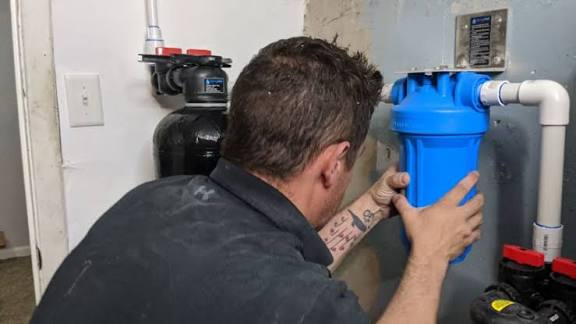
    Treating water at the point where it enters the house allows every tap, appliance, and plumbing fixture to benefit. Rather than solving one isolated problem, the entire household receives consistent water quality from room to room.

    For families planning to stay in their homes for years, this broader approach often delivers the greatest long-term value.

    Every Home Faces Different Water Challenges

    No two homes have identical water.

    Municipal systems vary between cities. Rural properties relying on wells may encounter completely different conditions, including higher mineral content, sediment, sulfur odors, or naturally occurring iron.

    Even neighboring houses can experience noticeable differences depending on plumbing age and local infrastructure.

    Because of these variations, choosing water treatment equipment without testing first is a bit like buying prescription glasses without an eye exam. It might help—but it probably won’t be the perfect fit.

    Professional water analysis provides clear information about hardness, pH balance, chlorine levels, dissolved minerals, and other characteristics. Once you know what’s actually present, selecting the right treatment becomes much easier.

    Why Experience Matters During Installation

    Choosing quality equipment is only one part of the process.

    Proper sizing, plumbing connections, water pressure considerations, drainage, programming, and long-term maintenance all influence how well a system performs over time. Even excellent equipment can underperform if it’s installed incorrectly.

    That’s why many homeowners value professional installation rather than attempting complicated do-it-yourself setups.

    Experienced installers understand local water conditions, recognize plumbing challenges before they become problems, and ensure systems operate efficiently from day one.

    Perhaps even more importantly, professional installation provides confidence that your investment is working exactly as intended without unnecessary trial and error.

    There Isn’t a Universal Answer

    One family may struggle with hard water that leaves scale throughout the home. Another may notice unpleasant sulfur odors from a private well. Someone else may simply want cleaner drinking water while protecting expensive appliances from mineral deposits.

    Each situation requires a different approach.

    Instead of recommending identical equipment for every household, water specialists often design custom water solutions based on actual testing results, household size, daily water usage, maintenance preferences, and long-term goals.

    That personalized approach usually produces better performance while avoiding unnecessary equipment or ongoing operating costs.

    In the end, the goal isn’t selling the biggest system—it’s installing the right one.

    Better Water Supports More Than Comfort

    When people think about water treatment, they often imagine softer skin or better-tasting drinking water.

    Those are certainly worthwhile benefits, but there’s another important advantage that’s easy to overlook: protecting the home’s infrastructure.

    Mineral deposits can gradually reduce water heater efficiency, narrow plumbing pipes, and shorten appliance life. Sediment may clog fixtures, while certain contaminants can affect water clarity or odor.

    Reducing these issues often means fewer maintenance headaches, lower utility costs, and equipment that continues operating efficiently for many years.

    Those savings accumulate quietly over time, making water treatment one of the more practical home improvements available.

    A Home That Feels Easier to Maintain

    One unexpected benefit many homeowners mention is that routine cleaning simply becomes less frustrating.

    Bathroom fixtures stay brighter longer. Shower doors develop fewer stubborn stains. Glassware comes out clearer after each dishwasher cycle, and laundry often feels fresher with less detergent.

    These aren’t dramatic lifestyle changes, yet they make everyday chores noticeably easier.

    When the little frustrations begin disappearing, homeowners often realize just how much their previous water quality had been affecting daily life.

    Investing in the Future of Your Home

    Every homeowner wants to protect their investment.

    We schedule HVAC maintenance, inspect roofs after storms, replace air filters, and maintain landscaping because we understand prevention is usually less expensive than repairs.

    Water deserves the same level of attention.

    Since it flows through every pipe, appliance, and plumbing fixture every day, improving its quality benefits nearly every system inside the home. It’s an investment that works quietly in the background without requiring constant attention.

    Better Water Creates Lasting Value

    The best home improvements aren’t always the most visible. Sometimes they’re the upgrades that quietly improve everyday life in dozens of small ways.

    Cleaner dishes, softer laundry, reliable plumbing, efficient appliances, and water that feels better every time you turn on the tap all contribute to a home that’s easier and more enjoyable to live in.

    Whether you’re building a new house, upgrading an older property, or simply looking for smarter ways to protect your investment, improving your water is a decision that continues paying dividends long after installation is complete.

    At the end of the day, better water isn’t just about what comes out of the faucet. It’s about creating a healthier, more efficient home where every gallon works for you instead of against you—and that’s an upgrade worth making.

  • Why Maintaining Your Water Treatment System Is One of the Best Investments You Can Make

    Why Maintaining Your Water Treatment System Is One of the Best Investments You Can Make

    It’s easy to appreciate a water treatment system when it’s brand new. The water tastes fresher, the shower feels better, and dishes seem to come out cleaner with less effort. Then, after a while, something interesting happens—you stop thinking about it.

    That’s actually a sign that everything is working the way it should. A good water treatment system quietly does its job in the background while life carries on around it. But just because it’s easy to forget doesn’t mean it should be ignored.

    Like every hardworking system in your home, water treatment equipment benefits from occasional attention. A little maintenance helps preserve performance, protects expensive appliances, and ensures your family continues enjoying high-quality water every single day.

    Your Water System Works Harder Than You Realize

    Take a moment to think about how often water is used in your home.

    Every shower, every load of laundry, every dishwasher cycle, every pot of coffee, and every meal prepared in the kitchen depends on water moving through your treatment system. Over weeks and months, that adds up to thousands of gallons.

    While modern systems are designed for long-term durability, they aren’t immune to normal wear. Internal components, valves, filters, and treatment media all experience gradual changes as they continue doing their job.

    That’s perfectly normal—but it also explains why maintenance matters.

    Small Adjustments Keep Everything Performing Well

    One of the biggest advantages of routine maintenance is that it catches small issues before they become noticeable.

    A technician may identify settings that need slight adjustment, components beginning to wear, or filters approaching replacement long before homeowners experience any decline in water quality.

    Maintaining strong system efficiency helps equipment continue operating the way it was designed while avoiding unnecessary strain on important internal components.

    Often, the best repairs are the ones that never become necessary.

    Water Conditions Can Change Over Time

    Many homeowners assume the water entering their home remains exactly the same every year.

    In reality, water quality naturally changes because of seasonal weather, groundwater movement, municipal treatment updates, aging infrastructure, or changes in household water usage.

    Even if your treatment system performed perfectly several years ago, occasional inspections help ensure it’s still properly matched to your home’s current conditions.

    Good maintenance isn’t only about the equipment—it’s also about adapting to changing water.

    Consistency Is Better Than Waiting for Problems

    People often delay maintenance because nothing seems wrong.

    That approach works…until it doesn’t.

    Scheduling regular servicing allows trained professionals to inspect important components before visible symptoms appear. Instead of reacting to declining performance, homeowners stay ahead of potential issues through preventive care.

    It’s very similar to changing the oil in a vehicle. Waiting until the engine struggles usually costs far more than simple maintenance completed on schedule.

    The same principle applies to household water systems.

    Protecting Appliances Throughout the Home

    Water treatment doesn’t only influence the faucet where you fill a glass.

    The quality of your water affects water heaters, washing machines, dishwashers, coffee makers, refrigerators, plumbing fixtures, showers, and countless other household systems.

    Keeping treatment equipment operating properly helps reduce mineral buildup while supporting appliance performance and extending equipment lifespan.

    That’s one reason maintenance provides value well beyond the treatment system itself.

    One investment quietly benefits many others.

    Professional Attention Brings Peace of Mind

    Modern water treatment systems are remarkably dependable, but every mechanical system eventually benefits from expert evaluation.

    Experienced technicians understand how changing water conditions, household usage patterns, and normal equipment wear influence long-term performance. They can identify subtle concerns that homeowners would rarely notice during everyday use.

    Knowing your equipment has been professionally evaluated provides reassurance that everything continues operating safely and efficiently.

    Confidence is often one of maintenance’s greatest benefits.

    Good Water Should Feel Effortless

    When a treatment system is operating properly, homeowners usually don’t spend much time thinking about it.

    They simply enjoy softer laundry, cleaner dishes, fresher-tasting water, easier bathroom cleaning, and showers that feel comfortable day after day.

    Maintaining reliable water quality means preserving all of those everyday experiences without interruption.

    The goal isn’t to think about water treatment constantly.

    The goal is to hardly think about it at all because everything simply works.

    Preventive Care Usually Costs Less

    Emergency repairs rarely happen at convenient times.

    Unexpected breakdowns interrupt routines, increase stress, and often cost considerably more than planned maintenance visits. Preventive service provides opportunities to replace worn components before they affect overall performance.

    That proactive approach typically reduces long-term ownership costs while helping homeowners avoid unpleasant surprises.

    Planning ahead almost always pays off.

    A Small Habit That Delivers Lasting Value

    Water quietly supports almost every activity inside your home. It helps prepare meals, keeps appliances running efficiently, powers your daily routines, and contributes to the overall comfort of your household.

    Giving your water treatment system occasional attention is one of the simplest ways to protect that investment.

    Routine inspections, timely maintenance, and professional service help preserve performance while extending equipment lifespan and supporting consistent water quality for years to come.

    At the end of the day, maintaining your water treatment system isn’t about fixing something that’s broken. It’s about protecting something that’s already working well.

    The best home maintenance often happens quietly, long before problems ever appear. And when it comes to your water system, that quiet attention keeps every glass, every shower, every load of laundry, and every ordinary day running just a little more smoothly.

  • Why Investing in a Better Water System Can Transform Everyday Living

    Why Investing in a Better Water System Can Transform Everyday Living

    There’s something oddly comforting about pouring a glass of water at the end of a long day. It’s simple, familiar, and easy to take for granted. Yet, the quality of that water quietly influences so many parts of daily life—from the taste of your morning coffee to the meals you cook and even how confident you feel serving guests. It’s one of those things people rarely think about until they notice a problem.

    In recent years, homeowners have become far more aware of what flows through their taps. News about aging infrastructure, changing water conditions, and environmental concerns has encouraged people to ask better questions about what they’re consuming every day. The result isn’t panic—it’s simply a growing interest in making smarter, long-term choices for the home.

    Clean Water Starts Before It Reaches Your Glass

    Most municipal water supplies are treated to meet safety standards, and that’s certainly reassuring. However, water doesn’t magically arrive at your kitchen sink immediately after treatment. It travels through miles of underground pipes, storage systems, and plumbing that may influence its taste, smell, and overall quality.

    This is where home filtration solutions become incredibly valuable. Instead of relying solely on municipal treatment, homeowners add another layer of protection tailored to their own household. Modern water systems are designed to reduce unwanted contaminants while improving taste, clarity, and consistency, making everyday water noticeably more enjoyable.

    It’s not about replacing public water treatment. It’s about adding confidence once the water reaches your home.

    The Difference You Notice Almost Immediately

    People often expect dramatic changes after installing a filtration system, but the biggest improvements are surprisingly subtle. Water begins tasting cleaner. Ice cubes lose that faint chemical flavour. Tea and coffee develop a smoother finish, and homemade soups somehow seem fresher.

    These aren’t marketing claims—they’re experiences many families naturally describe after switching to filtered water.

    Even cooking becomes more satisfying. Rice cooks cleaner, vegetables retain their natural flavours, and beverages don’t carry the lingering aftertaste that untreated tap water sometimes leaves behind. It’s amazing how something so ordinary can quietly improve meals without changing a single recipe.

    Why Better Water Encourages Better Habits

    One interesting thing happens when water tastes good: people naturally drink more of it.

    Without even thinking about it, grabbing a glass becomes easier than reaching for sugary drinks or flavoured beverages. Parents often notice that children stop complaining about “funny tasting water,” while adults refill reusable bottles more often throughout the workday.

    Access to clean drinking water isn’t simply about convenience. It’s one of the easiest ways to support healthier daily habits without adding another complicated routine to an already busy schedule.

    Sometimes the smallest improvements create the biggest long-term impact.

    Finding the Right Balance

    Years ago, people often assumed the best filtration removed absolutely everything from water. Today, that thinking has evolved quite a bit.

    Many advanced filtration systems are designed to remove unwanted contaminants while maintaining a balanced taste. Some even include remineralization technology that restores beneficial elements after purification, resulting in refreshing mineral-rich water that’s pleasant to drink while delivering a smoother flavour profile.

    This balanced approach reflects what many homeowners actually want—not water stripped of every characteristic, but water that’s clean, fresh, and enjoyable enough to drink every day.

    Saving Money Without Sacrificing Quality

    Bottled water has become second nature for many households, but the costs quietly add up over time. Weekly grocery purchases, storage space, recycling, and carrying heavy cases home all become part of the routine.

    A home filtration system changes that equation.

    Instead of constantly buying bottled water, families enjoy purified water directly from the tap whenever they need it. Over several years, many homeowners discover that their filtration investment pays for itself while producing significantly less plastic waste.

    It’s one of those rare home upgrades that benefits both the household budget and the environment at the same time.

    Every Home Has Different Water Needs

    No two homes have identical water conditions. A family living in one neighbourhood may deal with hard water, while another struggles with chlorine taste or elevated sediment levels. Rural properties often face completely different challenges compared to homes connected to municipal water supplies.

    That’s why choosing a filtration system shouldn’t be based solely on advertisements or online reviews. Testing your home’s water provides valuable information about what actually needs improvement.

    With that knowledge, selecting the right solution becomes much simpler. Some households benefit from under-sink systems, while others prefer whole-home filtration that treats every faucet, shower, and appliance throughout the property.

    A little research upfront usually leads to much greater satisfaction later.

    Easy Maintenance Makes a Big Difference

    Many people hesitate to install filtration equipment because they assume maintenance will be complicated or expensive. Fortunately, modern systems have become remarkably user-friendly.

    Most require nothing more than periodic filter replacements and occasional inspections to keep everything operating efficiently. Manufacturers continue designing products with convenience in mind, allowing homeowners to enjoy cleaner water without constantly worrying about upkeep.

    Like changing the air filter in your home or servicing your vehicle, routine maintenance helps preserve performance and extends the lifespan of the equipment.

    More Than a Home Upgrade

    Some home improvements are obvious. New flooring catches your eye. Fresh paint changes a room instantly. A water filtration system works differently.

    Its value shows up quietly every single day.

    You notice it while filling a reusable bottle before work. You taste it in your morning coffee. You appreciate it when guests compliment the water without realizing why it tastes so fresh. Over time, those small moments become part of everyday life, and it’s difficult to imagine going back.

    At its heart, investing in better water isn’t really about technology. It’s about improving one of the most essential parts of daily living. When clean, great-tasting water is always available, healthier habits become easier, meals become more enjoyable, and your home feels just a little more complete. Sometimes the best investments aren’t the loudest ones—they’re simply the ones you appreciate every single day.

  • Understanding Well Water Problems Before They Turn Into Costly Repairs

    Understanding Well Water Problems Before They Turn Into Costly Repairs

    For many homeowners, well water is something they barely think about until it starts tasting strange, leaving orange stains in the sink, or making the laundry feel stiff after every wash. Unlike municipal water, private wells don’t receive routine treatment before reaching your tap. That means the responsibility for water quality falls entirely on the homeowner. It sounds a little intimidating at first, but understanding what might be happening beneath the surface can make a huge difference.

    The truth is, every well is unique. Two neighbours living only a few miles apart can have completely different water quality because underground geology, rainfall, nearby agriculture, and even the age of the well all play a role. That’s why there’s never a one-size-fits-all answer when it comes to improving well water.

    Why Well Water Changes Over Time

    A common misconception is that if a well produced clean water ten years ago, it will continue to do so forever. In reality, groundwater conditions change. Seasonal weather patterns, shifting soil, nearby construction, and natural mineral deposits can all influence what’s flowing through your plumbing.

    Sometimes the changes are subtle. Water might develop a slight metallic taste, or perhaps soap suddenly doesn’t lather the way it used to. Other times, the signs are impossible to ignore—brown stains, unpleasant odours, or cloudy water appearing without warning.

    Regular testing is one of the simplest ways to catch these changes before they become expensive household issues.

    Common Signs You Shouldn’t Ignore

    Many homeowners live with water issues longer than they realize because they assume they’re “just part of having a well.” While some mineral content is completely natural, persistent problems usually deserve attention.

    Some of the most common warning signs include:

    • Rust-coloured stains on sinks and bathtubs
    • Rotten egg smells caused by hydrogen sulfide
    • White scale buildup on faucets and showerheads
    • Dry skin after bathing
    • Spotty dishes from the dishwasher
    • Low soap efficiency
    • Cloudy or discoloured water
    • Unpleasant tastes or odours

    These symptoms often point toward underlying well water problems that deserve proper testing instead of guesswork. Identifying the actual cause is always more effective than treating the symptom alone.

    Hard Water Can Affect More Than Just Your Plumbing

    Hard water is one of the most widespread challenges for private well owners. It’s created when groundwater dissolves calcium and magnesium as it travels through rock formations.

    Those minerals aren’t generally harmful to drink, but they can quietly shorten the lifespan of appliances throughout the home.

    Water heaters become less efficient because scale forms around heating elements. Dishwashers require more detergent. Washing machines work harder. Coffee makers clog more quickly. Even plumbing pipes gradually lose efficiency as mineral deposits build over time.

    These aren’t dramatic overnight failures—they’re slow, costly problems that many homeowners never connect back to their water quality.

    Choosing the Right Treatment Matters

    One mistake people often make is buying the first filtration system they see online. While advertisements often promise miracle solutions, effective water treatment depends on knowing exactly what’s in your water.

    Professional testing identifies mineral content, pH levels, bacteria, iron, manganese, sulfur, nitrates, and many other potential contaminants. Once those results are available, selecting equipment becomes much more straightforward.

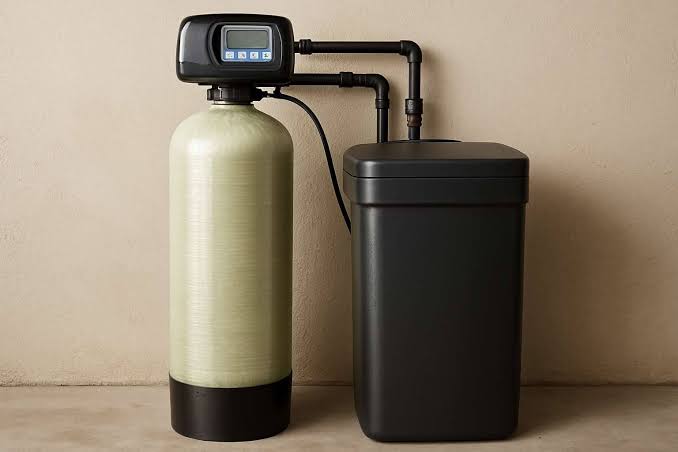
    In many homes, properly sized water softeners help reduce mineral buildup, improve soap performance, protect appliances, and leave fixtures looking cleaner. However, they’re designed to solve hardness—not every possible water quality issue.

    That’s why understanding the source of the problem is always the first step.

    Every Well Has Its Own Story

    One family may struggle with excessive iron that stains every sink orange. Another may deal with sulfur odours that make the water smell unpleasant. Someone else might notice sediment after heavy rainfall.

    Each issue requires a different solution.

    Iron filtration systems, sediment filters, UV disinfection, activated carbon filters, reverse osmosis units, and neutralizers all serve different purposes. Installing equipment that doesn’t match the water chemistry often leads to frustration, wasted money, and disappointing results.

    It’s a little like buying glasses without an eye exam—you might get lucky, but chances are they won’t solve the real problem.

    Protecting Appliances Saves Money in the Long Run

    People often focus only on drinking water, but untreated well water affects nearly every appliance that uses water.

    Water heaters, refrigerators with ice makers, washing machines, humidifiers, dishwashers, coffee machines, and even irrigation equipment all experience wear from poor water quality.

    Small improvements today can prevent expensive replacements years earlier than expected.

    Maintenance costs also tend to decrease when plumbing fixtures stay cleaner and scale buildup is minimized. Over time, that can translate into meaningful savings for homeowners.

    Water Quality Affects Everyday Comfort

    Clean water isn’t only about safety. It also shapes countless everyday experiences around the house.

    Morning coffee tastes better.

    Showers feel more refreshing.

    Laundry comes out softer.

    Glassware looks cleaner.

    Soap rinses away more easily.

    These little improvements may seem minor individually, but together they noticeably improve daily life. It’s one of those household upgrades people often appreciate more after it’s already installed.

    Looking Beyond a Single Filter

    Many homeowners eventually discover that solving one issue doesn’t necessarily address another.

    For example, removing sediment won’t soften hard water. Softening water won’t eliminate bacteria. Carbon filtration won’t reduce every dissolved mineral.

    That’s why many households eventually invest in whole home water treatment systems designed to address multiple concerns at once. Rather than improving only the kitchen sink, these systems help deliver cleaner water to showers, bathrooms, laundry rooms, and every faucet throughout the home.

    The exact combination depends entirely on the home’s water test results rather than a generic recommendation.

    Routine Maintenance Keeps Systems Working

    Even the best equipment needs occasional care.

    Filters eventually require replacement. UV bulbs lose effectiveness over time. Salt levels need monitoring. Pressure tanks should be inspected periodically. Annual water testing also helps verify that treatment equipment continues performing as expected.

    Fortunately, most maintenance tasks are simple when completed consistently instead of waiting until something goes wrong.

    A little preventive care often extends equipment life while keeping water quality stable year after year.

    Final Thoughts

    Living with a private well comes with a level of independence that many homeowners appreciate. You’re not relying on a municipal water supply, and that’s a significant advantage. Still, that independence also means taking responsibility for understanding your water.

    Fortunately, you don’t need to become a water chemistry expert overnight. Regular testing, paying attention to changes, and choosing treatment based on actual results—not marketing claims—can make a remarkable difference.

    Clean, reliable water supports healthier plumbing, longer-lasting appliances, and a more comfortable home overall. Whether you’re noticing subtle changes or dealing with obvious water quality concerns, addressing them early almost always proves easier and less expensive than waiting for bigger problems to develop.

  • Why Understanding Electrical Permits Early Can Make Commercial Construction Much Easier

    Why Understanding Electrical Permits Early Can Make Commercial Construction Much Easier

    Every successful commercial building has a story that begins long before the first wall is framed or the first light fixture is installed. There are meetings, drawings, revisions, budgets, inspections, and countless conversations that shape what eventually becomes a finished structure.

    Among all those moving pieces, permits often receive far less attention than they deserve.

    They’re not exciting. They don’t change the appearance of a building. Nobody walks into a new office and compliments the permit documentation. Yet those approvals quietly influence nearly every stage of construction, helping projects stay organised, safe, and legally compliant.

    When permits are handled properly from the beginning, construction tends to move with far fewer interruptions. When they’re overlooked or delayed, even well-planned projects can experience unnecessary setbacks.

    Construction Success Starts Before Anyone Picks Up a Tool

    It’s easy to think construction begins when crews arrive on site.

    In reality, most of the important decisions happen much earlier.

    Architects refine layouts, engineers calculate structural loads, contractors develop schedules, and owners determine how the building will operate once it’s complete. Electrical planning becomes part of these early discussions because nearly every system inside the building depends on reliable power.

    Planning ahead creates opportunities to identify potential challenges before they become expensive field changes.

    Moving a line on a drawing takes minutes.

    Moving installed electrical equipment after walls are complete can require days of extra work.

    That’s why experienced project teams spend so much time preparing before construction officially begins.

    Understanding permit requirements Saves Time Later

    Every commercial project has specific permit requirements that must be satisfied before electrical work can move forward.

    These requirements exist to verify that proposed installations meet recognised building standards, safety codes, and engineering practices before construction reaches critical stages.

    Although permits sometimes feel like another administrative task, they actually help reduce long-term risk.

    By reviewing plans in advance, inspectors and local authorities can identify potential concerns while adjustments remain relatively straightforward. That early feedback often prevents expensive corrections later in the project.

    Instead of slowing construction, proper permitting usually helps keep it moving.

    Every Commercial Building Brings Different Challenges

    No two commercial properties use electricity in exactly the same way.

    A distribution warehouse requires different infrastructure than a medical clinic. Restaurants place heavy demands on kitchen equipment. Office buildings depend on reliable technology networks, while manufacturing facilities often require specialised power systems.

    Because every building serves a different purpose, electrical planning should always reflect those unique operational needs.

    Customising designs during the planning phase creates buildings that function more efficiently once people begin using them every day.

    It’s never about installing more equipment than necessary.

    It’s about installing the right equipment where it’s needed most.

    Why Planning Makes construction projects More Efficient

    Well-organised construction projects rarely succeed through luck alone.

    They succeed because different teams communicate effectively from the beginning.

    Electricians coordinate with architects, mechanical contractors, plumbing specialists, structural engineers, and technology consultants throughout the planning and installation process.

    Every trade depends on accurate information.

    Lighting layouts influence ceiling design. HVAC equipment requires dedicated electrical circuits. Communication systems rely on dependable power distribution. Emergency systems interact with nearly every part of the building.

    Good coordination allows these relationships to develop naturally instead of creating conflicts during installation.

    That collaboration often saves far more time than people realise.

    Communication Reduces Expensive Surprises

    Construction schedules can change quickly.

    Weather delays, material shortages, design revisions, and equipment lead times all influence project timelines.

    Strong communication helps teams adapt without creating unnecessary disruption.

    Regular meetings allow contractors to discuss scheduling concerns, review progress, identify conflicts, and coordinate future work before problems become difficult to solve.

    This proactive approach creates a smoother experience for everyone involved, from project managers and subcontractors to building owners waiting for completion.

    Small conversations held at the right time often prevent much larger issues later.

    Why electrical compliance Protects Buildings for Years

    Following electrical compliance standards isn’t simply about passing inspections.

    It’s about protecting people, property, and long-term building performance.

    Proper electrical installations reduce fire risks, improve equipment reliability, support emergency systems, and ensure buildings continue operating safely throughout their lifespan.

    Compliance also provides confidence for owners, insurers, maintenance teams, and future occupants.

    Knowing that electrical systems were designed, installed, and inspected according to recognised standards creates peace of mind that extends well beyond construction.

    That’s a benefit that continues long after the final inspection has been completed.

    Looking Ahead Instead of Only Looking at Today

    Commercial buildings are expected to evolve.

    Businesses expand. Technology changes. Equipment is replaced. Energy demands increase.

    Planning for future flexibility during construction often prevents expensive renovations later.

    Leaving additional panel capacity, installing spare conduit, and creating accessible cable pathways allow buildings to adapt without major disruption.

    These decisions might seem minor during construction, but they become incredibly valuable years down the road when upgrades are needed.

    Preparing for the future is almost always less expensive than reacting to it.

    Small Decisions Build Long-Term Value

    Many of the most valuable construction decisions appear fairly ordinary at first.

    Organising permit documentation carefully.

    Allowing extra electrical capacity.

    Planning equipment access.

    Scheduling inspections efficiently.

    Coordinating contractors early.

    Individually, each decision feels relatively small.

    Together, however, they influence how smoothly a building operates for decades.

    The strongest commercial properties rarely depend on dramatic innovations.

    Instead, they benefit from hundreds of thoughtful decisions that quietly support reliable day-to-day performance.

    Building Confidence from the Very Beginning

    Commercial construction is about much more than finishing a building on schedule.

    It’s about creating spaces where businesses can grow, employees can work comfortably, and owners can feel confident in the quality of their investment.

    Electrical permits, planning, inspections, and compliance all contribute to that confidence in ways most people never see.

    When experienced professionals take the time to prepare thoroughly, communicate openly, and follow recognised standards, the finished result is more than just another completed project. It becomes a reliable, adaptable, and safe commercial building that’s prepared to serve its purpose for many years to come. The paperwork may eventually be filed away, but the value of doing things correctly from the very beginning remains part of the building every single day.

  • Car Rental Companies in Delhi: Complete Guide to Affordable Travel Solutions

    Car Rental Companies in Delhi: Complete Guide to Affordable Travel Solutions

    Introduction

    Delhi is one of the busiest metropolitan cities in India, where transportation plays a key role in daily life. With increasing traffic congestion and rising travel demands, people are shifting towards flexible mobility solutions. Rental services have become a preferred choice for both residents and tourists who want convenience without owning a vehicle. From short city rides to long-distance trips, car and bike rentals offer cost-effective and comfortable travel options. The growing number of service providers has made it easier than ever to find reliable transportation across the city.

    Growing Demand for Car Rental Companies in Delhi

    In recent years, the demand for professional vehicle rental services has increased significantly in the capital. People now prefer renting vehicles instead of buying due to high maintenance costs, parking issues, and traffic stress.

    Searching for car rental in delhi india helps users discover a wide range of providers offering economy cars, SUVs, luxury vehicles, and self-drive options. These companies focus on customer convenience by providing easy booking systems, transparent pricing, and flexible rental plans. Whether it is for business meetings, airport transfers, or family trips, rental companies ensure a smooth travel experience. Many providers also offer 24/7 customer support, roadside assistance, and GPS-enabled vehicles for added safety.

    Convenient and Flexible Car Hire Services in Delhi

    Car hire services have become a practical solution for people who need temporary transportation in the city. They are especially useful for tourists, corporate professionals, and students who require mobility without long-term commitments.

    Choosing car rental companies delhi allows users to enjoy both chauffeur-driven and self-drive options depending on their needs. This flexibility makes it easier for travelers to move around the city without worrying about navigation or parking. Car hire services also provide hourly, daily, and monthly rental plans, making them suitable for different budgets. Popular destinations such as Connaught Place, India Gate, and Akshardham Temple can be easily accessed using rental cars, offering a stress-free travel experience.

    Bike Rental Services for Quick City Travel

    Along with cars, two-wheeler rentals have gained massive popularity in Delhi due to their affordability and ease of use. Bikes are perfect for navigating through traffic-heavy roads and reaching destinations quickly.

    Services offering car hire delhi provide scooters and motorcycles that can be booked instantly through mobile apps or websites. These rentals are widely used by students, office workers, and delivery professionals who need cost-effective transportation. Bike rentals are not only budget-friendly but also fuel-efficient, making them ideal for daily commuting. With flexible pricing plans and easy pickup locations, users can rent bikes for a few hours, a full day, or even longer durations.

    Benefits of Choosing Rental Mobility Services

    Rental transportation services offer several advantages over traditional vehicle ownership. One of the biggest benefits is cost savings, as users do not need to worry about maintenance, insurance, or depreciation costs. Instead, they only pay for the duration of use.

    Another advantage is flexibility. Users can switch between different types of vehicles depending on their needs—cars for comfort and bikes for quick travel. This adaptability makes rental services highly practical in a fast-moving city like Delhi. Additionally, most providers ensure well-maintained vehicles, hygienic interiors, and proper safety checks before each ride, enhancing the overall travel experience.

    Conclusion

    The rise of rental transportation has transformed the way people travel in Delhi. With a wide range of options available, users can easily find vehicles that match their budget and requirements. From professional car rental companies delhi to flexible car hire delhi services and affordable bike on rent in delhi the city offers solutions for every type of traveler. As demand continues to grow, rental mobility is set to become an essential part of urban transportation, providing convenience, affordability, and freedom to move without ownership burdens.

  • DC Motor, Physics Project, Science Project & Servo Motor: Complete Guide for Students and Hobbyists

    DC Motor, Physics Project, Science Project & Servo Motor: Complete Guide for Students and Hobbyists

    Introduction

    Practical learning is one of the most effective ways to understand scientific concepts. Instead of only studying theories, students can build working models that demonstrate real-world applications of physics and electronics. Simple machines and electronic components are widely used in educational experiments to explain motion, force, and control systems. In this article, we will explore key components like motors and their role in educational experiments, along with ideas for building innovative projects for school exhibitions and science fairs.

    DC Motor in Basic Electronics and Experiments

    A dc motor is one of the most commonly used devices in physics and electronics projects. It converts electrical energy into mechanical rotation using magnetic fields. Students often use DC motors in small fans, robotic vehicles, and rotating models. These motors are easy to operate and widely available, making them ideal for beginners. In physics experiments, they help demonstrate concepts such as electromagnetism, torque, and energy conversion. Their simple structure allows learners to understand how electrical input results in motion output in real-time systems.

    Physics Project Ideas Using Motors and Circuits

    A physics project is a great way for students to apply scientific theories in practical scenarios. Projects involving motion, force, and energy are especially popular in school exhibitions. For example, using a DC motor to create a rotating platform can demonstrate circular motion, while adding gears can show mechanical advantage. Students can also experiment with speed control using resistors or variable power supplies. These projects help in understanding Newton’s laws, electrical circuits, and energy transformation in an interactive and engaging way.

    Science Project for Innovation and Learning

    A science science project allows students to explore creativity while applying scientific knowledge. These projects can range from simple models to advanced prototypes depending on the level of study. Motor-based projects are especially effective because they are visually engaging and easy to demonstrate. For instance, building a mini conveyor belt or robotic arm helps students understand automation and mechanical movement. Science projects also improve problem-solving skills, teamwork, and presentation abilities, which are essential for academic growth and future engineering studies.

    Servo Motor in Robotics and Automation

    A servo motor is a highly precise rotational device used in servo motor robotics, automation, and control systems. Unlike normal DC motors, it allows accurate positioning and controlled movement. It operates using feedback systems that adjust its angle based on input signals. In educational projects, servo motors are commonly used in robotic arms, camera positioning systems, and smart doors. They help students understand advanced concepts like feedback control, pulse width modulation (PWM), and automation technology, making them ideal for modern STEM learning.

    Importance of Hands-On STEM Learning

    Hands-on experiments play a major role in strengthening scientific understanding. When students build working models using motors and circuits, they learn how theoretical concepts apply in real life. These activities encourage curiosity, creativity, and logical thinking. Working with components like DC and servo motors helps students understand how machines are designed and controlled. This practical approach to education also prepares students for careers in engineering, robotics, and technology-driven industries.

    Conclusion

    Modern education emphasizes practical learning and innovation. Components like DC motors and servo motors are essential tools in understanding motion, control, and energy conversion. Physics-based and science projects provide students with opportunities to explore real-world applications of classroom knowledge. These experiments not only improve technical understanding but also inspire creativity and problem-solving skills. As technology continues to grow, hands-on science projects will remain an important part of learning and innovation for future generations.