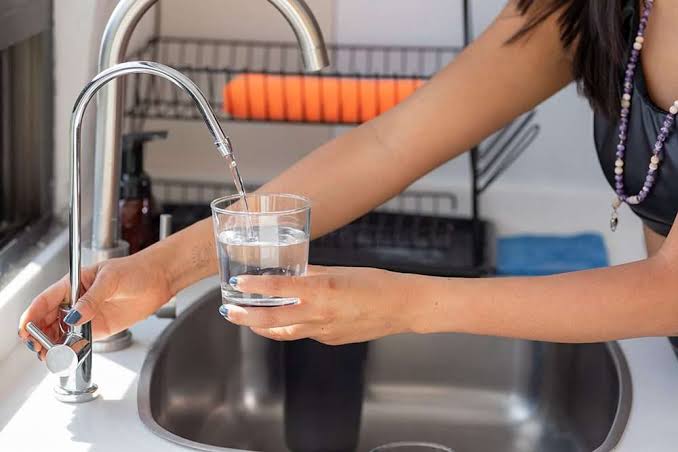
Hard water can be a quiet nuisance. You might notice white scale around faucets, cloudy dishes, stiff laundry, or mineral deposits collecting inside appliances. For a busy household or a commercial property, those little problems can eventually become expensive ones.
Water treatment isn’t a one-size-fits-all decision, though. A family home and a busy hotel may both have hard water, but they won’t necessarily need the same equipment. Understanding the difference between treatment options can help property owners choose a system that actually fits their needs.
Understanding Hard Water
Hard water contains minerals such as calcium and magnesium. These minerals aren’t usually a major health concern at normal levels, but they can create plenty of practical headaches.
Scale can accumulate inside pipes, water heaters, dishwashers, coffee machines, and other water-using equipment. Soap may also lather less effectively, leaving a film on bathroom surfaces.
The first step is usually determining how hard the water actually is. A basic water test can provide useful information and make it easier to select appropriately sized equipment.
Residential Water Softening for Everyday Needs
For homeowners dealing with persistent hardness, residential water softening can make daily life considerably easier.
Traditional water softeners generally use ion exchange to reduce calcium and magnesium in the water. The system contains resin that captures hardness minerals and periodically regenerates to continue working.
The benefits can be noticeable around the house. Faucets may develop less scale, showers can be easier to clean, and appliances that use hot water may experience less mineral buildup.
However, choosing the right size matters. A system that’s too small may regenerate more frequently than necessary, while an oversized unit can increase upfront and operating costs without providing a meaningful advantage.
Household size, water usage, and hardness levels should all be considered before installation.
Why Proper Installation Matters
A water softener isn’t simply a tank that gets connected to the nearest pipe. Installation needs to account for the home’s plumbing configuration, available space, drainage, bypass controls, and regeneration requirements.
Incorrect installation can result in leaks, poor performance, or unnecessary wear on the equipment.
Professional installation can also give homeowners a chance to learn how the system works. Knowing how to check salt levels, adjust settings, and recognize potential problems can make ownership much easier.
And let’s be honest—most people don’t want to discover how their water softener works at 7 a.m. because the basement floor is wet.
Commercial Water Softening Requires More Planning
A business can use considerably more water than a typical household. Restaurants, hotels, laundries, apartment buildings, healthcare facilities, and manufacturing operations may all have different demands.
That’s where commercial water softening becomes more specialized.
Commercial systems need to be sized for higher flow rates and potentially much greater daily water consumption. The system may also need to work alongside other treatment equipment and protect expensive water-using machinery from scale.
For a business, reliability matters just as much as treatment performance. An undersized or poorly maintained softener can cause operational headaches, especially during periods of heavy demand.
A professional assessment can help determine the appropriate capacity, regeneration schedule, and equipment configuration.
Water Softening Isn’t the Same as Filtration
One common misconception is that a water softener removes everything homeowners don’t want in their water.
It doesn’t.
Softening is primarily intended to reduce hardness minerals. If the concern involves taste, odor, sediment, or specific contaminants, another treatment method may be necessary.
This distinction is important because installing the wrong system can leave the original problem unresolved.
Testing the water before purchasing equipment can help prevent that kind of expensive guesswork.
Where Reverse Osmosis Comes In
For drinking and cooking water, reverse osmosis is often considered when more extensive treatment is desired.
Reverse osmosis uses a semipermeable membrane to reduce many dissolved substances from water. Unlike a whole-property softener, an RO system is frequently installed at a point of use, such as under the kitchen sink.
That can be a practical arrangement because it focuses intensive treatment where it matters most.
A family may want treated water for drinking, cooking, coffee, or filling bottles without needing to process every gallon used for bathing, laundry, or outdoor activities.
Maintenance Should Be Part of the Decision
Every treatment system requires some level of maintenance.
Softener owners may need to monitor salt levels and keep the brine system clean. RO systems require periodic filter and membrane replacement. Commercial equipment may require scheduled inspections and servicing to maintain consistent performance.
When comparing systems, don’t focus only on the purchase price. Consider replacement parts, consumables, service costs, water usage, and expected equipment lifespan.
A system that costs slightly more upfront may prove more economical if it’s properly sized and easier to maintain.
Choosing a System Based on the Property
The right water treatment setup depends on the property and the water itself.
A small family may need a straightforward softener for hard municipal water. A larger home with several bathrooms may require greater capacity. A restaurant or hotel may need commercial equipment designed for high demand.
If drinking-water quality is the main concern, reverse osmosis may be a useful addition rather than replacing the property’s primary softening system.
In some cases, combining technologies makes sense. In others, a simple solution is all that’s necessary.
Don’t Buy More Treatment Than You Need
Water treatment companies offer an impressive range of equipment, and it’s easy to assume that a more complicated system must provide better results.
Not necessarily.
The best system is the one that addresses the actual water problem, handles the required volume, and can be maintained properly. Start with testing, understand your priorities, and then compare options based on performance and long-term value.
Whether you’re considering residential water softening, planning commercial water softening, or looking into reverse osmosis, the goal should remain the same: practical treatment that fits your water, your property, and your everyday needs.
Good water treatment shouldn’t feel complicated once it’s installed. Ideally, it just works quietly in the background—and lets you get on with your day.