A crack in a wall often triggers concern, but not every mark signals danger. Buildings settle, materials age, and surfaces respond to temperature in predictable ways that leave visible lines behind. Knowing which cracks are harmless and which ones threaten stability helps property owners decide whether observation or professional foundation crack repair near me is the right next step.
Hairline Surface Cracks That Don’t Affect Load Support
Hairline cracks usually appear as thin lines that barely catch a fingernail. These often develop as concrete cures or as a home adjusts to seasonal temperature shifts. Because they remain shallow and narrow, they do not interfere with how weight transfers from the structure into the ground. Many are found in basements, garages, or along interior drywall seams where materials naturally expand and contract. Another defining trait of cosmetic hairline cracks is consistency. Their width typically stays the same year after year, even through heavy rain or dry spells. While they may look concerning, they rarely require foundation repair contractors. Monitoring is usually enough unless other changes appear nearby.
Shallow Cracks Limited to Exterior Finishes or Coatings
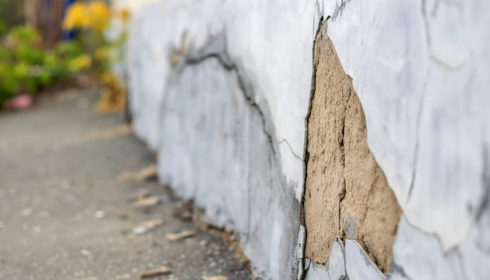
Some cracks never reach the structural material at all. These occur in stucco, paint layers, brick veneer mortar, or surface coatings applied over concrete. Because the crack stops at the finish layer, the underlying foundation remains intact and unaffected.
Over time, exposure to sunlight and moisture can make these cracks more visible. They may flake or discolor, creating the illusion of deeper damage. A closer inspection often reveals that the crack does not continue into the concrete. In these cases, cosmetic repair restores appearance without the need for a foundation specialist near me.
Wide Cracks That Continue Through Concrete Thickness
Cracks that extend through the full depth of a foundation wall signal a different category of concern. These openings often measure wider than a quarter inch and may be visible on both interior and exterior surfaces. Their depth suggests movement or stress beyond normal curing behavior. Such cracks can weaken load-bearing capacity if left untreated. They also create pathways for moisture intrusion, which accelerates deterioration. Situations like this often prompt searches for foundation repair near me, as professional evaluation is needed to determine the cause and the appropriate reinforcement method.
Cracks That Grow Longer or Wider over Time
Change is a key indicator of structural involvement. Cracks that lengthen, widen, or branch into new directions suggest ongoing movement beneath the structure. Soil settlement, erosion, or shifting moisture levels can drive this progression. Unlike cosmetic cracks, these do not remain static. Measurements taken months apart reveal noticeable differences. This pattern often points to underlying soil instability or drainage issues, making foundation crack repair near me a practical step rather than a precaution.
Vertical Lines Often Tied to Normal Curing Shrinkage
Vertical cracks are common in poured concrete foundations and frequently result from shrinkage as concrete hardens. These lines usually form early in a building’s life and tend to remain straight and narrow.
What separates harmless vertical cracks from serious ones is behavior. Stable vertical cracks that do not widen or leak typically pose little risk. However, if paired with displacement or moisture seepage, further assessment by foundation repair contractors becomes advisable.
Stair-step Cracking Through Block or Brick Walls
Stair-step cracks follow mortar joints in block or brick foundations, creating a stepped appearance. This pattern often indicates uneven settlement, where one portion of the structure moves more than another.
While small stair-step cracks may begin as cosmetic, growth over time suggests structural stress. These cracks can compromise the wall’s ability to distribute weight evenly. In such cases, consulting a foundation specialist near me helps determine whether stabilization is required.
Cracks Allowing Water Seepage During Rain
Water intrusion changes the meaning of any crack. Even narrow openings become problematic once moisture enters the structure. Damp walls, efflorescence, or pooling water near cracks signal that the foundation barrier has been breached.
Repeated exposure to moisture weakens concrete and encourages mold growth. Addressing the crack alone may not solve the issue if drainage or grading problems exist. This is why many homeowners turn to foundation repair near me services that evaluate both structural integrity and water management.
Gaps Paired with Floor or Wall Movement
The most serious cracks often appear alongside visible movement. Doors may stick, floors may slope, or walls may bow inward or outward. These signs indicate that the foundation is no longer holding the structure level.
Cracks in these situations are symptoms rather than the root problem. Structural support systems may be needed to restore stability and prevent further damage. Professional foundation crack repair near me ensures that both the cause and the visible damage are addressed together. Kennedy and Sons works with property owners who are unsure whether a foundation crack is only cosmetic or a sign of deeper structural trouble. Their team evaluates crack patterns, width, depth, and movement to determine whether the issue affects load support or is limited to surface materials.