There’s a certain comfort that comes from hearing your air conditioner quietly humming away while the temperature outside keeps climbing. Most of us don’t think much about the system until something goes wrong. Then suddenly, every room feels warmer, energy bills creep higher, and the house just isn’t as comfortable as it used to be.
The interesting thing is that many AC problems don’t appear overnight. They usually develop little by little, often because of small maintenance tasks that were postponed or forgotten. A little attention throughout the year can prevent expensive repairs and help your system deliver consistent cooling when you need it most.
If you’ve ever wondered why one air conditioner seems to last twenty years while another struggles after only a decade, regular care is usually part of the answer.
Your Air Conditioner Works Harder Than You Think
During the hottest months, an air conditioning system may run for several hours every day. It continuously removes heat from inside your home, transfers it outdoors, manages humidity, and circulates conditioned air through every room.
That’s a demanding job.
Like any machine with moving parts, constant operation creates normal wear. Motors age, filters become clogged, electrical connections loosen, and dirt slowly builds up where it shouldn’t. None of these issues seem dramatic at first, but together they reduce efficiency and increase operating costs.
Routine maintenance helps keep everything working together the way the manufacturer intended.
Keep Airflow Moving Freely
One of the easiest ways to improve cooling performance doesn’t require special tools or technical knowledge.
Check your air filter regularly.
A clogged filter forces the blower to work harder while reducing airflow throughout the house. Restricted airflow often leads to uneven temperatures, longer cooling cycles, and unnecessary strain on internal components.
Depending on your home, pets, and indoor air quality, replacing the filter every one to three months is usually a good habit. It’s inexpensive, takes only a few minutes, and can noticeably improve system performance.
Also, make sure furniture, curtains, and storage boxes aren’t blocking supply or return vents. Even small obstructions can affect airflow more than people realize.
Don’t Forget About the Outdoor Equipment
Many homeowners carefully maintain the indoor portion of the system while completely overlooking the equipment sitting outside.
The outdoor condenser unit needs unrestricted airflow to release heat efficiently. Over time, grass clippings, leaves, weeds, dust, and even overgrown shrubs can reduce its performance.
Keeping at least two feet of open space around the condenser allows air to circulate properly. Occasionally removing debris and gently rinsing dirt from the exterior coils also helps maintain efficiency. Just be sure to switch off power before performing any cleaning.
It isn’t glamorous work, but it often makes a noticeable difference during peak summer temperatures.
Strange Noises Should Never Be Ignored
Air conditioners naturally make a gentle operating sound, but new noises deserve attention.
Grinding, buzzing, rattling, squealing, or repeated clicking often indicate developing mechanical issues. These sounds rarely disappear on their own.
Ignoring unusual noises can allow relatively inexpensive repairs to become much larger ones. What begins as a loose component may eventually damage neighboring parts if left unchecked.
When your system suddenly starts sounding different, it’s usually trying to tell you something.
Watch for Warning Signs Around the House
Sometimes your air conditioner provides subtle clues before performance noticeably declines.
Maybe the house feels more humid than usual. Certain rooms never quite cool down. The system runs longer than it used to, or your monthly electric bill climbs without any obvious explanation.
These small changes often indicate that the equipment isn’t operating at peak efficiency. Addressing concerns early usually saves both time and money later.
Being observant is one of the simplest forms of preventive maintenance.
Electrical Components Need Regular Attention
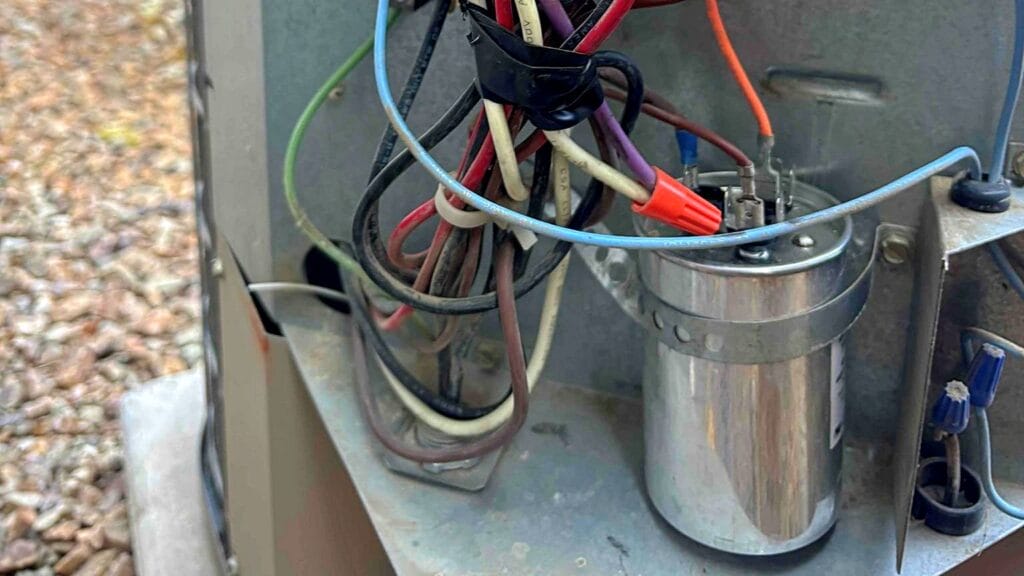
Modern HVAC systems rely on numerous electrical connections, capacitors, contactors, sensors, and control boards to operate safely.
Over time, vibration, heat, and normal aging can contribute to electrical problems that reduce reliability or cause unexpected shutdowns. Loose wiring, worn relays, or failing capacitors often develop gradually rather than suddenly.
Because electrical components can present safety risks, these repairs should always be handled by qualified technicians. Attempting DIY electrical work inside an HVAC system can create additional damage and unnecessary hazards.
Humidity Control Is Part of Comfort
People often focus only on temperature, but humidity plays a major role in how comfortable a home actually feels.
A properly functioning air conditioner removes moisture while cooling the air. When humidity remains high indoors, rooms may still feel sticky even if the thermostat displays the desired temperature.
If your home consistently feels damp during summer, it may be worth having the system evaluated. Sometimes the issue involves airflow, refrigerant, drainage, or equipment sizing rather than the thermostat itself.
Comfort isn’t measured only by degrees.
Preventive Maintenance Saves More Than Money
Many homeowners schedule service only after the air conditioner stops working.
Unfortunately, that’s often the most expensive time to call.
A professional hvac inspection gives technicians the opportunity to identify worn components before they fail, clean critical parts, inspect refrigerant pressures, tighten electrical connections, verify thermostat accuracy, and ensure the system is operating safely and efficiently.
Preventive service also reduces the likelihood of emergency breakdowns during periods of extreme heat, when repair appointments may be harder to schedule.
It’s much easier to fix a small issue in spring than a major one during the hottest week of July.
Small Habits Make a Big Difference
Simple routines can significantly extend the life of your cooling system.
Replace filters consistently, keep vents open, maintain the area around the outdoor equipment, monitor unusual sounds, and avoid constantly adjusting the thermostat throughout the day. Giving your air conditioner steady operating conditions helps reduce unnecessary wear.
These aren’t complicated tasks, but together they create a healthier environment for the equipment to perform efficiently year after year.
A Reliable Air Conditioner Starts With Consistent Care
Every homeowner hopes their air conditioner will provide dependable cooling throughout the summer without unexpected repairs. While no mechanical system lasts forever, regular maintenance dramatically improves reliability, efficiency, and overall lifespan.
The best approach isn’t waiting until something breaks. It’s paying attention to the small details before they become major headaches.
With a little routine care and timely professional service when needed, your HVAC system can continue delivering cool, comfortable air season after season. And honestly, that’s one less thing to worry about when the weather outside decides to remind everyone just how intense summer can be.