For many homeowners, well water is something they barely think about until it starts tasting strange, leaving orange stains in the sink, or making the laundry feel stiff after every wash. Unlike municipal water, private wells don’t receive routine treatment before reaching your tap. That means the responsibility for water quality falls entirely on the homeowner. It sounds a little intimidating at first, but understanding what might be happening beneath the surface can make a huge difference.
The truth is, every well is unique. Two neighbours living only a few miles apart can have completely different water quality because underground geology, rainfall, nearby agriculture, and even the age of the well all play a role. That’s why there’s never a one-size-fits-all answer when it comes to improving well water.
Why Well Water Changes Over Time
A common misconception is that if a well produced clean water ten years ago, it will continue to do so forever. In reality, groundwater conditions change. Seasonal weather patterns, shifting soil, nearby construction, and natural mineral deposits can all influence what’s flowing through your plumbing.
Sometimes the changes are subtle. Water might develop a slight metallic taste, or perhaps soap suddenly doesn’t lather the way it used to. Other times, the signs are impossible to ignore—brown stains, unpleasant odours, or cloudy water appearing without warning.
Regular testing is one of the simplest ways to catch these changes before they become expensive household issues.
Common Signs You Shouldn’t Ignore
Many homeowners live with water issues longer than they realize because they assume they’re “just part of having a well.” While some mineral content is completely natural, persistent problems usually deserve attention.
Some of the most common warning signs include:
- Rust-coloured stains on sinks and bathtubs
- Rotten egg smells caused by hydrogen sulfide
- White scale buildup on faucets and showerheads
- Dry skin after bathing
- Spotty dishes from the dishwasher
- Low soap efficiency
- Cloudy or discoloured water
- Unpleasant tastes or odours
These symptoms often point toward underlying well water problems that deserve proper testing instead of guesswork. Identifying the actual cause is always more effective than treating the symptom alone.
Hard Water Can Affect More Than Just Your Plumbing
Hard water is one of the most widespread challenges for private well owners. It’s created when groundwater dissolves calcium and magnesium as it travels through rock formations.
Those minerals aren’t generally harmful to drink, but they can quietly shorten the lifespan of appliances throughout the home.
Water heaters become less efficient because scale forms around heating elements. Dishwashers require more detergent. Washing machines work harder. Coffee makers clog more quickly. Even plumbing pipes gradually lose efficiency as mineral deposits build over time.
These aren’t dramatic overnight failures—they’re slow, costly problems that many homeowners never connect back to their water quality.
Choosing the Right Treatment Matters
One mistake people often make is buying the first filtration system they see online. While advertisements often promise miracle solutions, effective water treatment depends on knowing exactly what’s in your water.
Professional testing identifies mineral content, pH levels, bacteria, iron, manganese, sulfur, nitrates, and many other potential contaminants. Once those results are available, selecting equipment becomes much more straightforward.
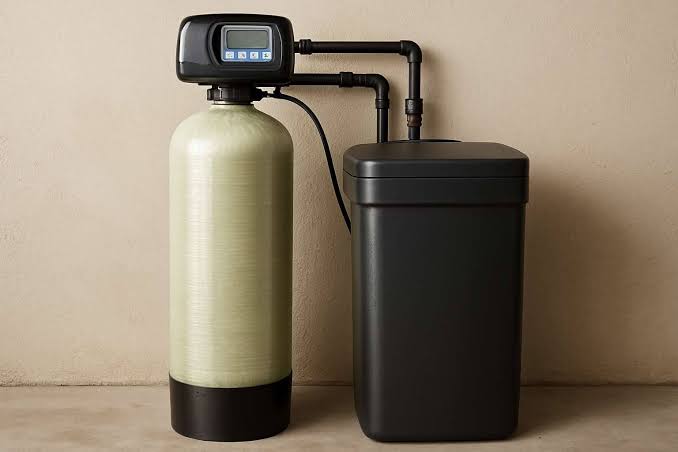
In many homes, properly sized water softeners help reduce mineral buildup, improve soap performance, protect appliances, and leave fixtures looking cleaner. However, they’re designed to solve hardness—not every possible water quality issue.
That’s why understanding the source of the problem is always the first step.
Every Well Has Its Own Story
One family may struggle with excessive iron that stains every sink orange. Another may deal with sulfur odours that make the water smell unpleasant. Someone else might notice sediment after heavy rainfall.
Each issue requires a different solution.
Iron filtration systems, sediment filters, UV disinfection, activated carbon filters, reverse osmosis units, and neutralizers all serve different purposes. Installing equipment that doesn’t match the water chemistry often leads to frustration, wasted money, and disappointing results.
It’s a little like buying glasses without an eye exam—you might get lucky, but chances are they won’t solve the real problem.
Protecting Appliances Saves Money in the Long Run
People often focus only on drinking water, but untreated well water affects nearly every appliance that uses water.
Water heaters, refrigerators with ice makers, washing machines, humidifiers, dishwashers, coffee machines, and even irrigation equipment all experience wear from poor water quality.
Small improvements today can prevent expensive replacements years earlier than expected.
Maintenance costs also tend to decrease when plumbing fixtures stay cleaner and scale buildup is minimized. Over time, that can translate into meaningful savings for homeowners.
Water Quality Affects Everyday Comfort
Clean water isn’t only about safety. It also shapes countless everyday experiences around the house.
Morning coffee tastes better.
Showers feel more refreshing.
Laundry comes out softer.
Glassware looks cleaner.
Soap rinses away more easily.
These little improvements may seem minor individually, but together they noticeably improve daily life. It’s one of those household upgrades people often appreciate more after it’s already installed.
Looking Beyond a Single Filter
Many homeowners eventually discover that solving one issue doesn’t necessarily address another.
For example, removing sediment won’t soften hard water. Softening water won’t eliminate bacteria. Carbon filtration won’t reduce every dissolved mineral.
That’s why many households eventually invest in whole home water treatment systems designed to address multiple concerns at once. Rather than improving only the kitchen sink, these systems help deliver cleaner water to showers, bathrooms, laundry rooms, and every faucet throughout the home.
The exact combination depends entirely on the home’s water test results rather than a generic recommendation.
Routine Maintenance Keeps Systems Working
Even the best equipment needs occasional care.
Filters eventually require replacement. UV bulbs lose effectiveness over time. Salt levels need monitoring. Pressure tanks should be inspected periodically. Annual water testing also helps verify that treatment equipment continues performing as expected.
Fortunately, most maintenance tasks are simple when completed consistently instead of waiting until something goes wrong.
A little preventive care often extends equipment life while keeping water quality stable year after year.
Final Thoughts
Living with a private well comes with a level of independence that many homeowners appreciate. You’re not relying on a municipal water supply, and that’s a significant advantage. Still, that independence also means taking responsibility for understanding your water.
Fortunately, you don’t need to become a water chemistry expert overnight. Regular testing, paying attention to changes, and choosing treatment based on actual results—not marketing claims—can make a remarkable difference.
Clean, reliable water supports healthier plumbing, longer-lasting appliances, and a more comfortable home overall. Whether you’re noticing subtle changes or dealing with obvious water quality concerns, addressing them early almost always proves easier and less expensive than waiting for bigger problems to develop.