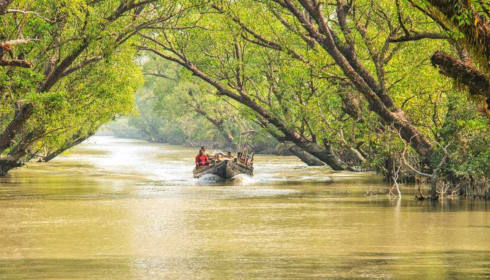
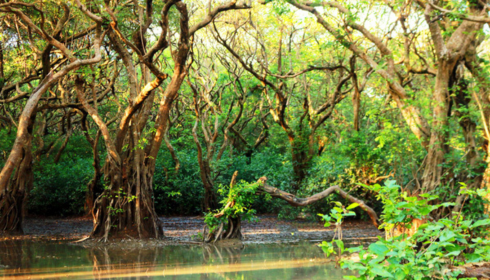
Hidden in the southern stretches of West Bengal, where land merges with rivers and mangrove forests stretch far beyond the horizon, lies a destination like no other — the Sundarbans. A UNESCO World Heritage Site, this remarkable delta is a marvel of biodiversity, serenity, and mystery. For those with a thirst for adventure or a love for nature, a Sundarban trip offers an unforgettable escape from the noise of urban life.
Why Choose Sundarban for Your Next Getaway?
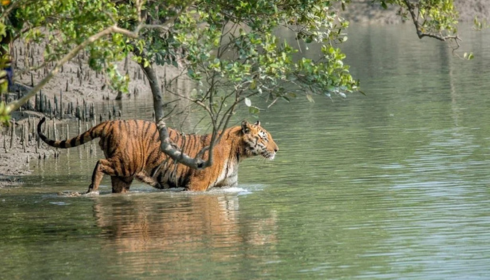
The Sundarbans are the largest mangrove forest in the world, home to the elusive Royal Bengal Tiger, spotted deer, saltwater crocodiles, and over 260 species of birds. It’s not just a place you visit — it’s a place you experience. The crisscrossing rivers, creeks, and silent backwaters tell stories of nature in its rawest form.
While wildlife is the highlight for many, the Sundarbans are also rich in cultural heritage. The villages here offer glimpses into traditional rural Bengali life, and you can often catch folk performances, interact with honey collectors (Moules), and sample authentic local cuisine cooked with fresh catch and forest herbs.
What to Expect on a Sundarban Trip
A typical Sundarban tour begins from Kolkata or Canning, where travelers board a boat or vehicle toward the delta. From there, the journey becomes increasingly rustic and immersive. Depending on the duration, trips range from one-day escapes to three-night eco-tourism packages.
Expect boat safaris through the waterways of the delta, guided nature walks on designated watch towers (like Sajnekhali and Sudhanyakhali), and night stays in cozy eco-resorts or boats under the starlit sky. One of the most thrilling moments of the trip is spotting animal footprints in the mud or, if you’re lucky, catching a glimpse of a tiger from the safety of your boat.
But it’s not just about big cats. The Sundarbans are also an ornithologist’s paradise — from kingfishers and herons to rare birds like the masked finfoot and mangrove whistler.
Best Time to Visit
The ideal time to plan your Sundarban journey is between October and March. The weather during these months is cool, dry, and perfect for exploration. Winter mornings bring misty views over the river, creating an enchanting atmosphere for boat rides.
Monsoon, while scenic and lush, may not be ideal due to heavy rainfall and rising water levels that disrupt safaris and access routes.
Tips for a Comfortable Sundarban Experience
- Pack smart: Light cottons, sunscreen, insect repellent, and a good pair of binoculars are a must.
- Stay eco-conscious: Respect the delicate ecosystem. Avoid littering and follow your guide’s instructions.
- Health and safety: Carry necessary medicines and a basic first-aid kit, as medical facilities are limited in remote areas.
- Camera ready: The scenery is breathtaking, so make sure your phone or camera is charged and ready.
Choosing the Right Travel Partner
When planning a journey to such a remote and ecologically sensitive area, choosing the right travel operator makes all the difference. Many Sundarban travels agencies offer curated packages that include transport, meals, accommodation, and guided tours. Look for operators who prioritize sustainability and offer authentic, small-group experiences.
Read reviews, compare itineraries, and ask questions about safety protocols, especially regarding trained naturalists and local guides. A reputable operator will ensure your trip is not only enjoyable but also respectful of the environment and local communities.
Final Thoughts
The Sundarbans aren’t just a destination; they’re an awakening. It’s where time slows down, and you’re reminded of how grand and mysterious nature can be. Whether you’re a wildlife enthusiast, a photography lover, or simply someone looking to disconnect and breathe, a Sundarban trip is a soulful journey worth taking.